

‹
›
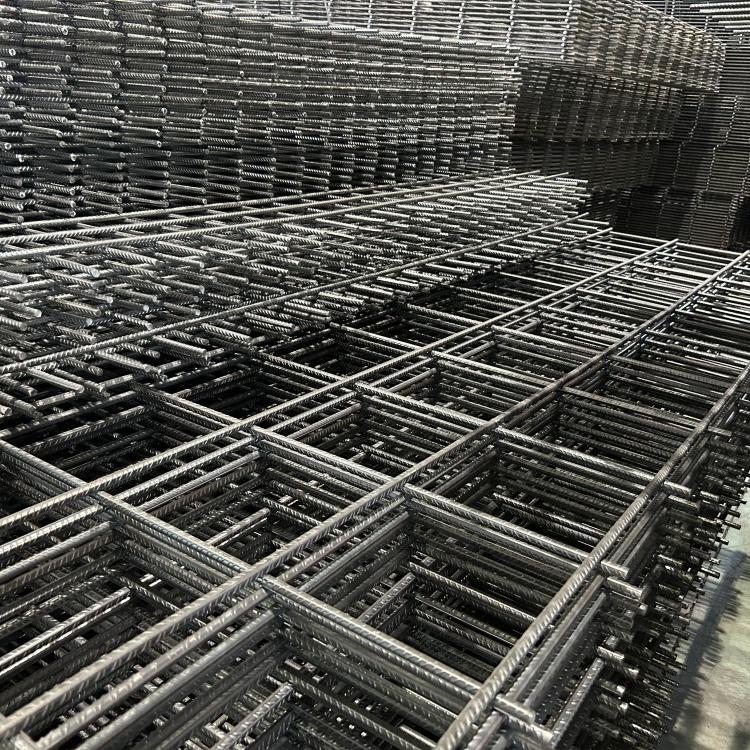
Welded Reinforcing Steel Mesh
Our Welded Reinforcing Steel Mesh, also called welded wire reinforcement, reinforcing mesh or steel reinforcement fabric, is a prefabricated grid made by arranging longitudinal and transverse steel wires or bars at designed spacing and joining their intersections by resistance welding. It is supplied in flat sheets or rolls depending on wire size, mesh geometry, handling requirements and the applicable project specification.
Product Description
01. Product Overview
Our Welded Reinforcing Steel Mesh, also called welded wire reinforcement, reinforcing mesh or steel reinforcement fabric, is a prefabricated grid made by arranging longitudinal and transverse steel wires or bars at designed spacing and joining their intersections by resistance welding. It is supplied in flat sheets or rolls depending on wire size, mesh geometry, handling requirements and the applicable project specification.
Welded mesh can be manufactured from plain or deformed carbon-steel wire/reinforcement and specified to requirements such as AS/NZS 4671, ASTM A1064/A1064M, GB/T 1499.3-2022, EN 10080 and BS 4483, subject to the buyer's design code and confirmed mill capability. Common orders define wire diameter, longitudinal and transverse spacing, sheet or roll format, overall dimensions, steel grade, edge arrangement, welding requirements and inspection documents.
The prefabricated grid provides consistent spacing and repeatable panel geometry for concrete slabs, floors, pavements, walls, precast components, tunnels, retaining structures and general reinforced-concrete work. It is intended to support the engineer's reinforcement design; mesh selection, lap length, cover and placement must be verified against the project drawings and governing construction code.
Product boundary: This page describes welded reinforcement for concrete. It should not be confused with galvanized fence mesh, livestock mesh, security mesh or non-structural decorative wire mesh.
02. Key Features & Advantages (FAB Model)
● Factory-Welded Grid Geometry
Ø Feature:
Longitudinal and transverse wires are positioned at specified spacing and joined at intersections by resistance welding.
Ø Advantage:
The mesh arrives as a controlled prefabricated grid instead of requiring every crossing to be measured and tied manually on site.
Ø Benefit:
Consistent spacing can improve reinforcement placement repeatability and help concrete crews reduce layout and tying work, subject to the project method statement.
● 2.2 Stable Crack-Control Reinforcement Layout
Ø Feature:
The welded grid distributes reinforcement in two directions with defined wire size and spacing.
Ø Advantage:
Designers can specify a repeatable reinforcement area per unit width and maintain a regular layout across large concrete surfaces.
Ø Benefit:
A consistent reinforcement arrangement can support crack-control and load-distribution design when correctly selected and placed by the project engineer.
● Sheet and Roll Supply Options
Ø Feature:
Welded reinforcing mesh can be supplied as sheets or rolls when the wire diameter, mesh opening and handling method allow.
Ø Advantage:
Sheets suit large, regular panels and precast work, while rolls can follow curved or continuous placement conditions and reduce the number of separate pieces.
Ø Benefit:
The buyer can select the delivery form that best matches site access, lifting equipment, placement sequence and concrete geometry.
● Weld Quality and Traceable Inspection
Ø Feature:
Production can be controlled through wire or bar identification, programmed spacing, resistance-welding parameters and batch inspection.
Ø Advantage:
The agreed inspection plan can cover dimensions, steel properties, weld quality, appearance and marking according to the governing standard.
Ø Benefit:
Clear acceptance criteria and batch documentation help project buyers review incoming mesh before placement.
03. Technical Specifications
04. Industrial Applications
Ø Concrete Slabs, Floors and Pavements
Welded reinforcement mesh is widely specified for regular concrete slabs, industrial floors, warehouse pavements, roads and hardstandings. The grid helps maintain a planned two-direction reinforcement layout during placement, while the exact wire size, spacing, lap and cover must follow the structural design.
Ø Precast Concrete Components
Factory-welded panels can support repeatable reinforcement preparation for precast wall panels, pipes, culverts, barriers, drainage products and other concrete components. Mesh dimensions should be coordinated with moulds, lifting points, cover blocks and the precast production cycle.
Ø Walls, Retaining Structures and Tunnels
Welded mesh may be used as distributed reinforcement in reinforced-concrete walls, retaining structures, tunnel linings and other civil works where the design calls for a regular reinforcement grid. Project engineers must verify anchorage, laps, openings and construction joints.
Ø Structural and Ground-Improvement Concrete Work
Mesh can be considered for foundations, equipment bases, drainage channels and other reinforced-concrete work where prefabricated reinforcement improves handling and placement consistency. It is not a universal replacement for individually detailed bars; the design code determines the proper reinforcement arrangement.
05. Why Choose Us?
Ø Drawing-Based Mesh Design Review:
We review wire diameter, longitudinal/transverse spacing, panel or roll format, edge requirements and quantity before quotation.
Ø Standard Matching:
We can evaluate AS/NZS, ASTM, GB/T, EN or BS requirements and identify where a local design code must control the final grade and test requirements.
Ø Fabrication Flexibility:
Sheet dimensions, roll width, special edge layouts, bundle marks and project labels can be discussed according to equipment and order volume.
Ø Quality Documentation:
The agreed inspection scope can include material properties, dimensions, weld quality and batch traceability rather than relying only on visual appearance.
Ø Site-Oriented Packing:
Bundles and rolls are planned around lifting, storage, container loading and the buyer's receiving process.
06. Packaging & Logistics
Ø Flat Mesh Sheets:
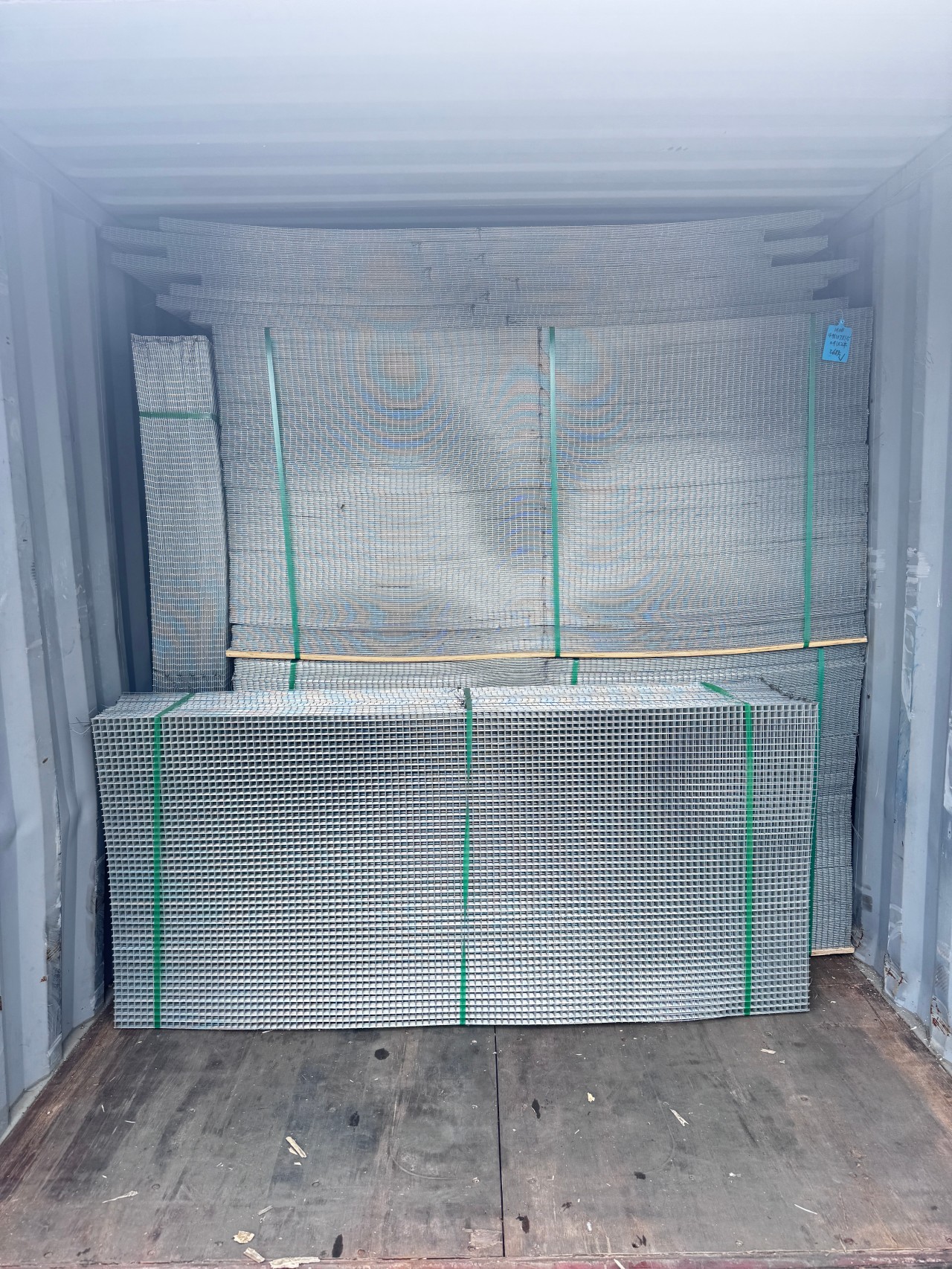
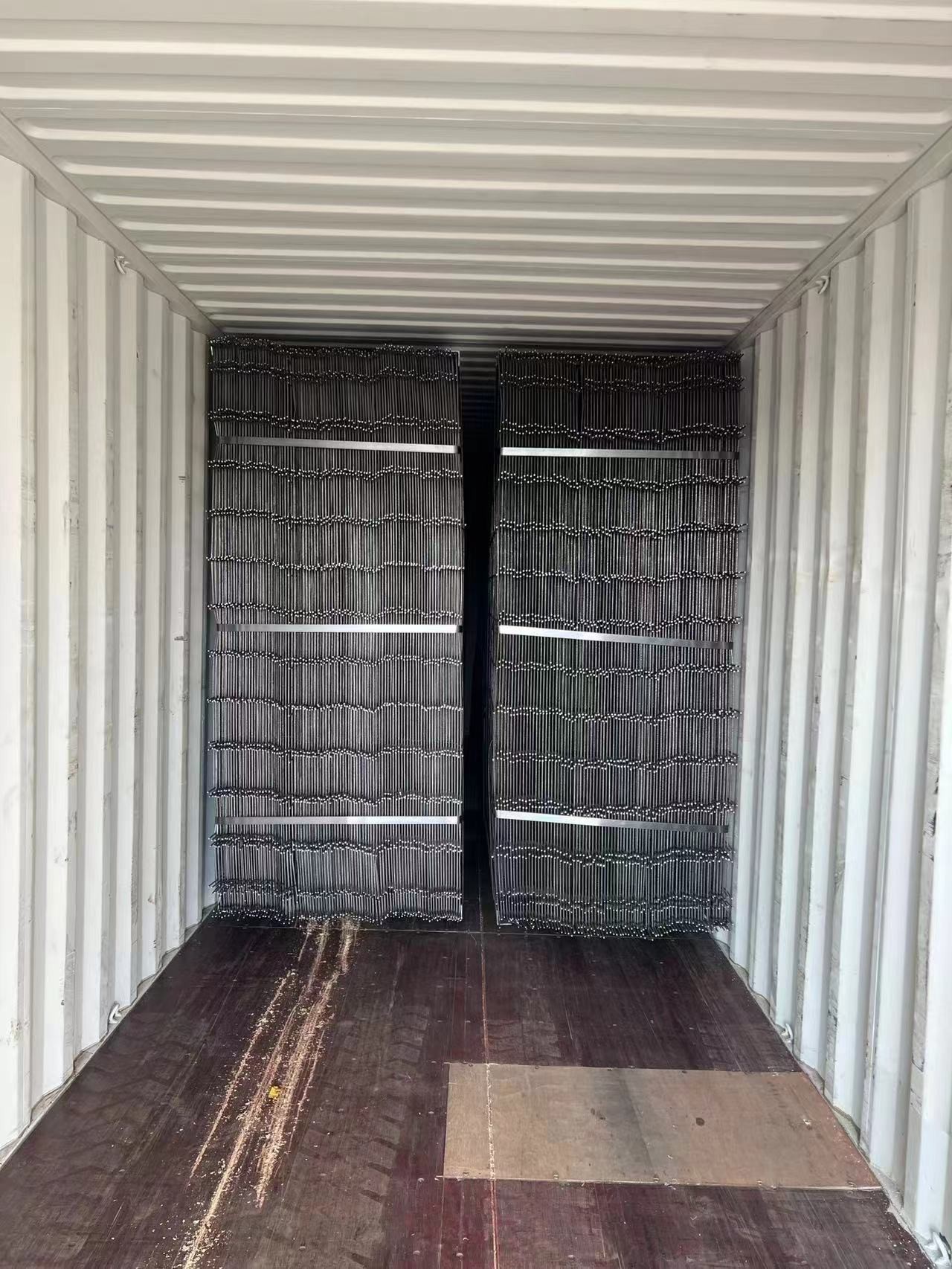
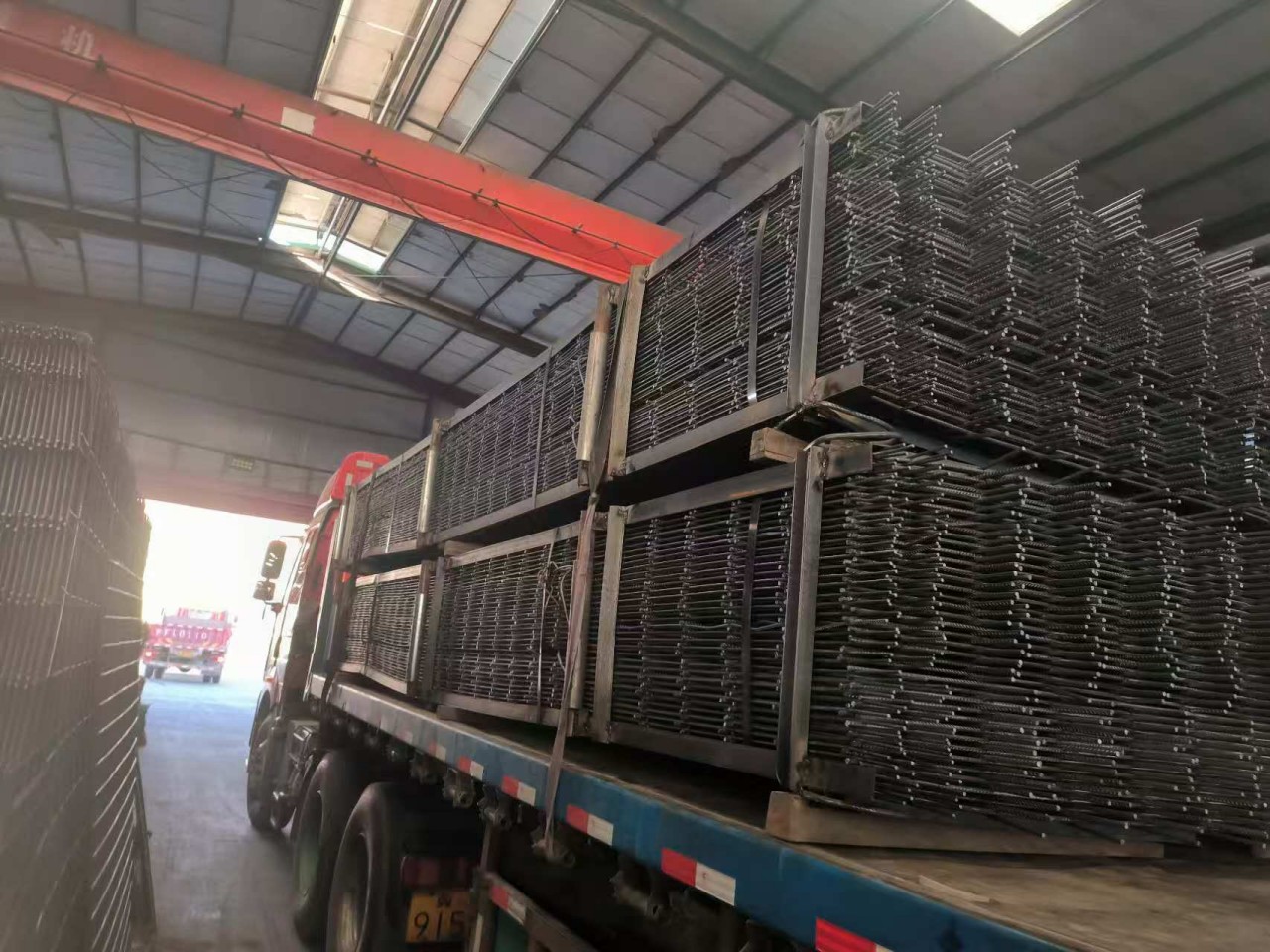
Stacked on supports, aligned, steel-strapped and protected with labels; edge protectors can be added for long-distance transport.
Ø Mesh Rolls:
Secured against unwinding, protected from moisture and labeled with diameter, mesh spacing, width, weight and batch information where required.
Ø Loading:
Bundle weight and lifting method should match the buyer's crane, forklift and site access. Mixed sizes should be agreed before loading.
Documents:
MTC, inspection report, packing list, commercial invoice, certificate of origin and agreed project documents can be prepared subject to availability.
Ø Commercial Terms:
EXW, FCA, FOB, CFR and CIF can be discussed after the mesh drawing, standard, quantity and destination are confirmed.
07. Research Basis and Verification Note
The product definition and technical boundary are aligned with ASTM A1064/A1064M-24, GB/T 1499.3-2022, EN 10080 general requirements for weldable reinforcing steel, and BS 4483 guidance for welded fabric. Final grade, wire diameter, mesh spacing, weld performance and engineering use must be confirmed against the buyer's project code and actual supply capability.
08. FAQ
Q1: What is welded reinforcing steel mesh?
It is a prefabricated reinforcement grid made by resistance-welding longitudinal and transverse steel wires or bars at specified intersections. It is used in concrete reinforcement and is supplied as sheets, panels or rolls depending on the design and production method.
Q2: What standards are commonly used for welded reinforcement mesh?
Common references include ASTM A1064/A1064M, GB/T 1499.3-2022, EN 10080 and BS 4483 where applicable. The buyer should specify the design code, grade, wire type, mesh geometry and required tests because these details are not automatically interchangeable between standards.
Q3: Can welded mesh be used instead of loose reinforcing bars?
It may replace individually placed bars only when the structural design, code and engineer allow it. The required reinforcement area, lap length, anchorage, cover, openings and construction sequence must be checked; welded mesh is not a universal substitute for every bar arrangement.
Q4: What is the difference between welded mesh sheets and mesh rolls?
Sheets are flat, easier to stack and often preferred for regular panels and precast work. Rolls are continuous and can reduce the number of separate pieces in suitable applications, but they require appropriate straightening, lifting and placement procedures. The available format depends on wire diameter and mesh spacing.
Q5: How are the intersections of reinforcing mesh joined?
The longitudinal and transverse wires or bars are normally joined by resistance welding at their intersections. Weld quality requirements, including weld-shear or related acceptance tests, must follow the confirmed standard and purchase specification.
Q6: What information is needed to quote welded steel mesh?
Please provide the standard, grade, wire or bar type, diameter, longitudinal and transverse spacing, sheet or roll format, width, length, edge arrangement, quantity, required tests, destination and packaging requirements. A reinforcement drawing is strongly recommended.
Q7: Can reinforcing mesh be galvanized?
Galvanizing or another coating may be possible for selected products, but it is not an automatic feature of black welded reinforcement mesh. The coating system, zinc mass, welding condition, dimensional changes and concrete compatibility must be reviewed before ordering.
Q8: How should welded reinforcement mesh be stored?
Store it on stable supports above the ground and protect it from rain, condensation, mud and standing water. Keep bundles identified and avoid distortion during lifting. Any mesh intended for structural use should be inspected for damage before placement.
Q9: Can welded mesh be supplied to a project drawing?
Yes, custom mesh can be evaluated from the drawing, provided the required wire diameter, spacing, dimensions, edge configuration and tolerance are within the equipment and applicable standard. The final drawing should be approved before production.
Q10: What should be checked before using welded mesh in concrete?
Confirm the grade, wire diameter, spacing, mesh dimensions, lap length, anchorage, cover, support chairs, openings, construction joints and any required weld or material certificates. Placement must follow the project engineer's drawings and method statement.
Packaging and Shipping
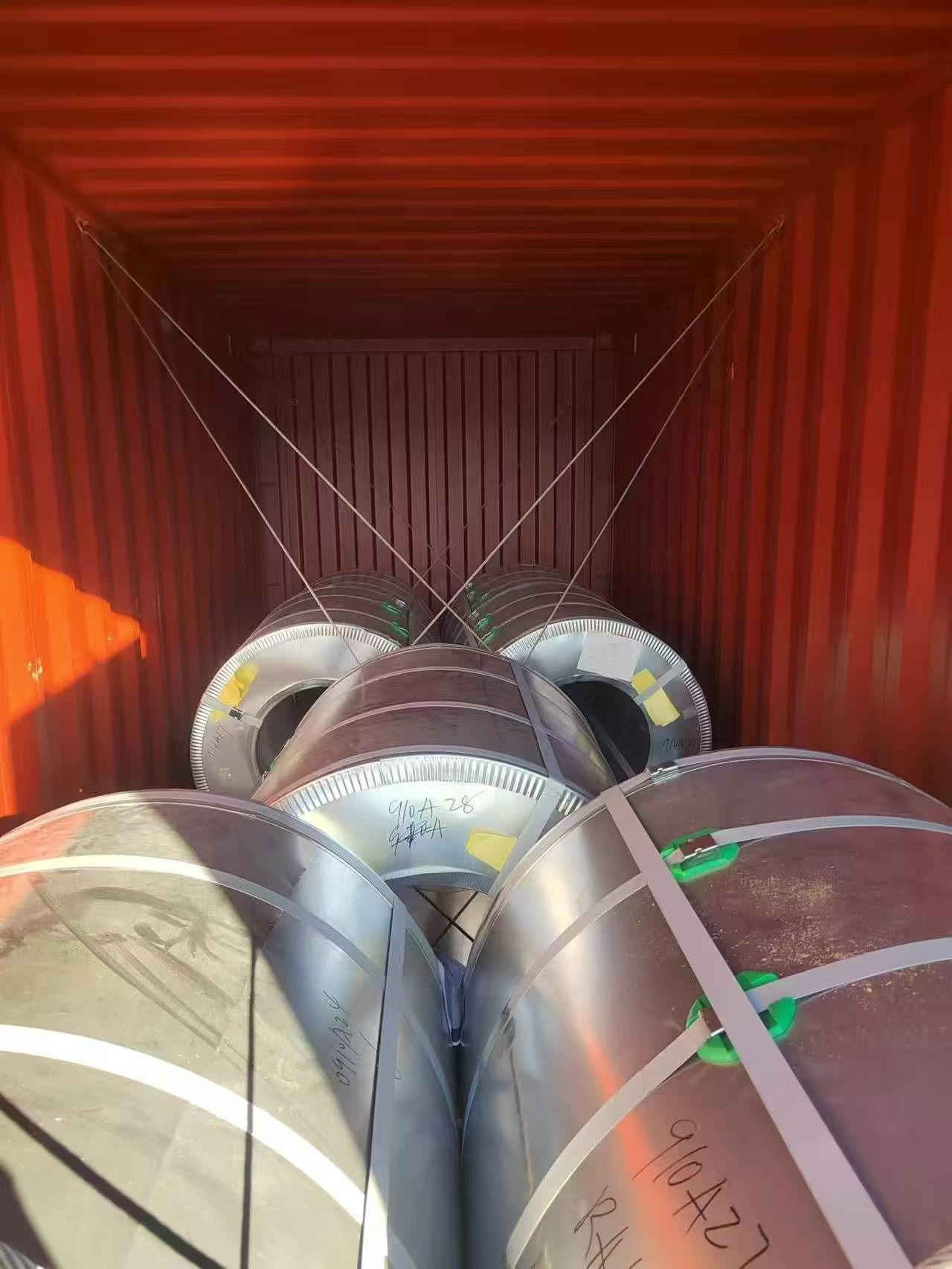
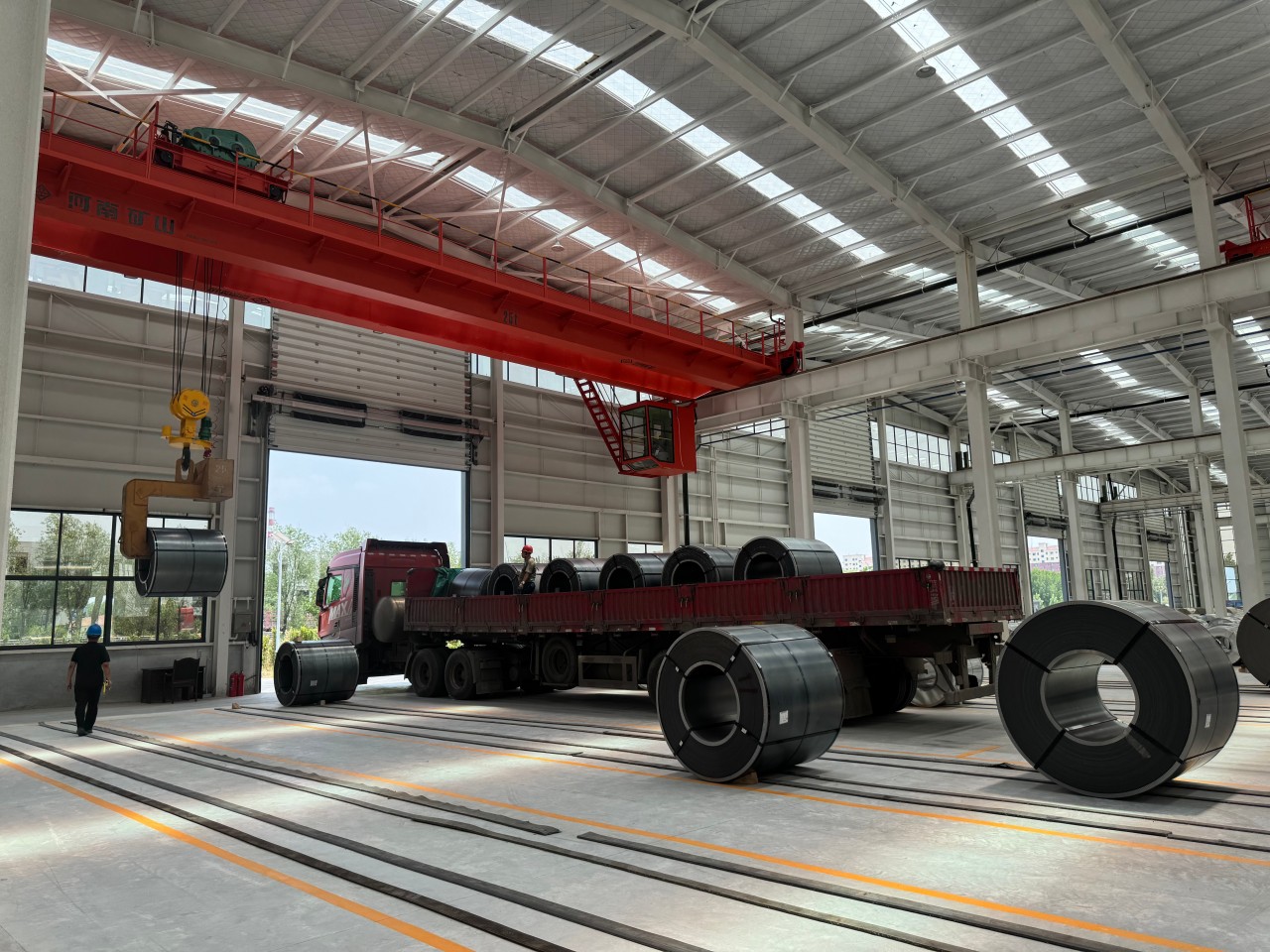
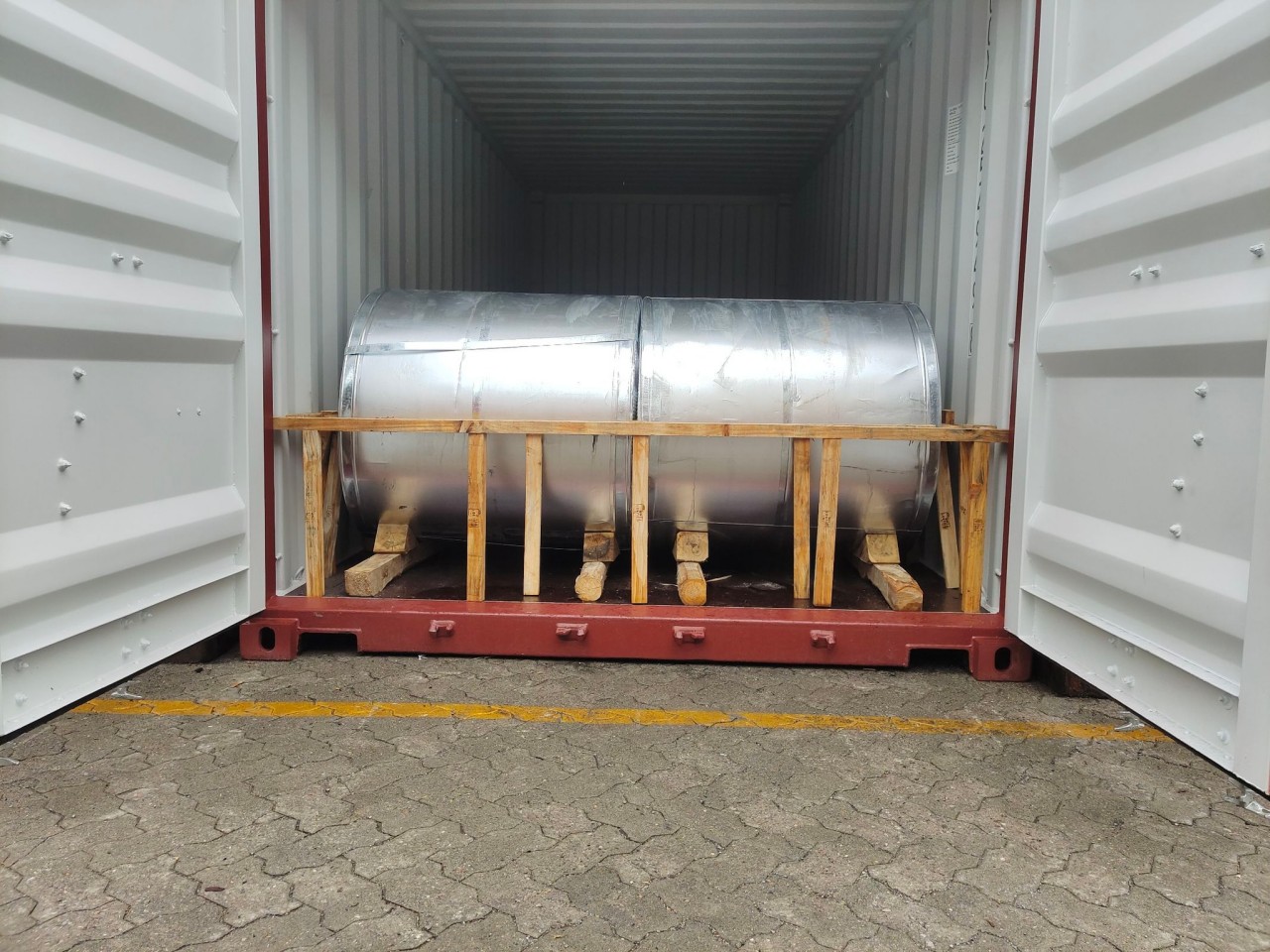
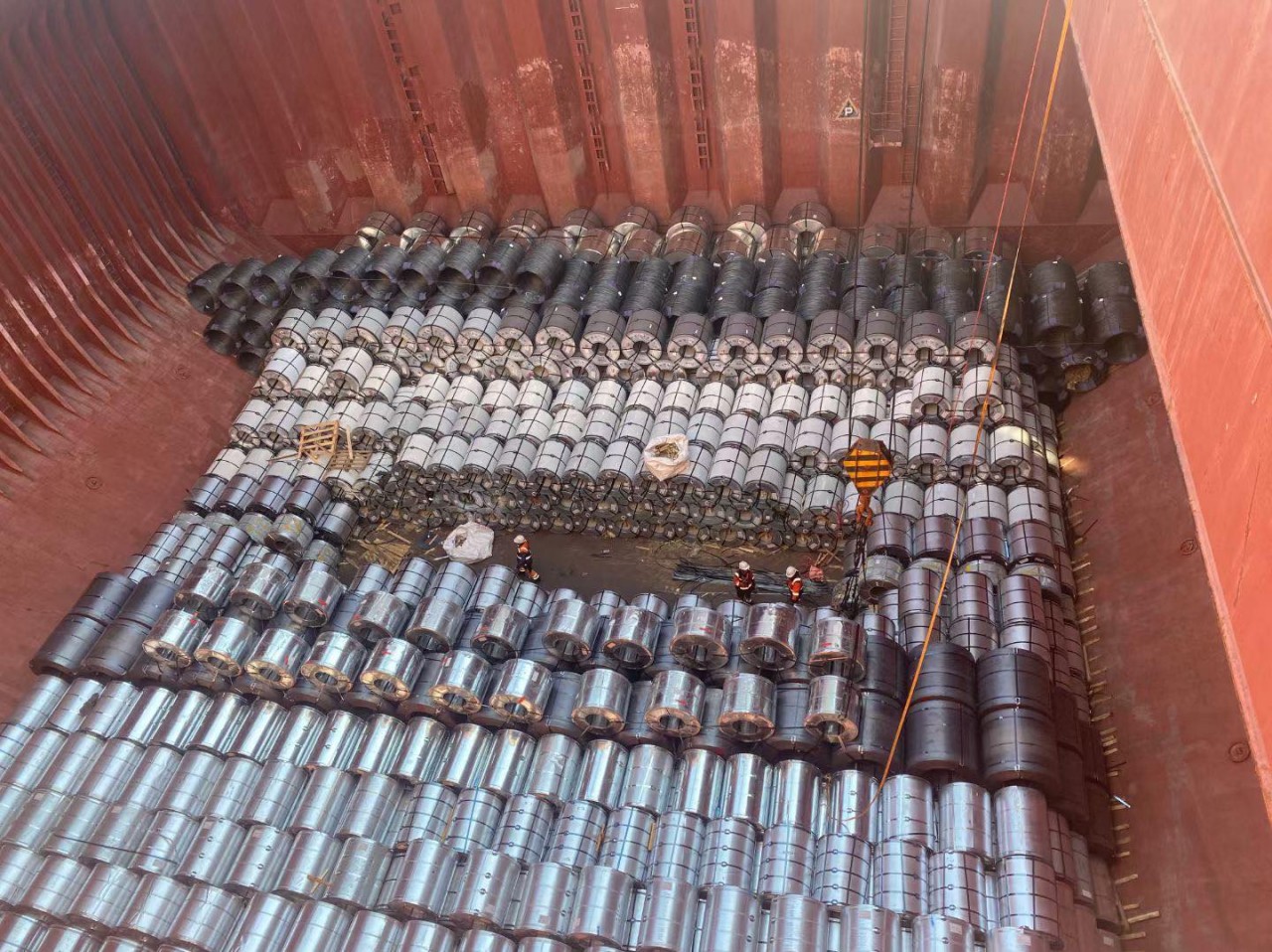
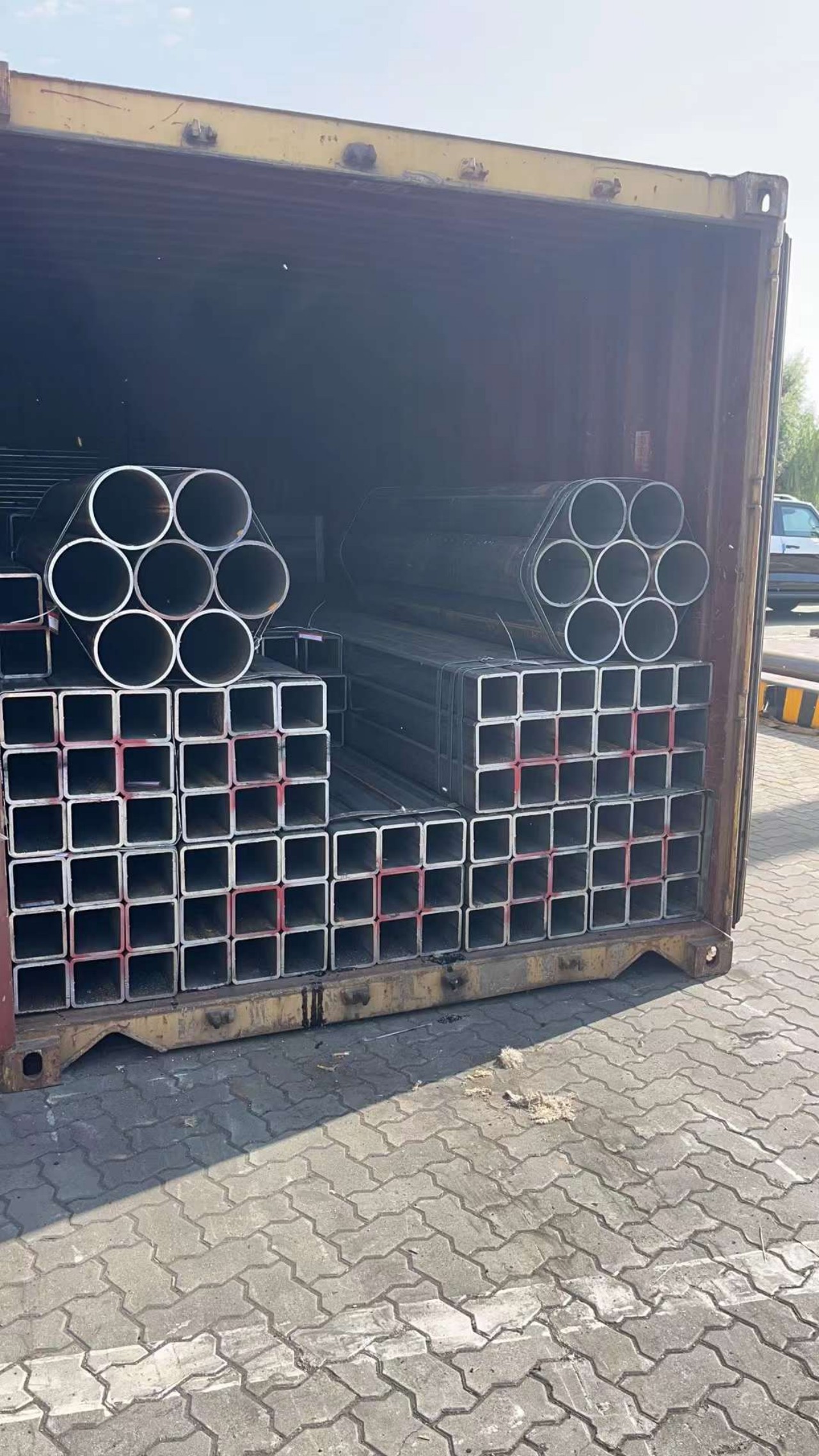
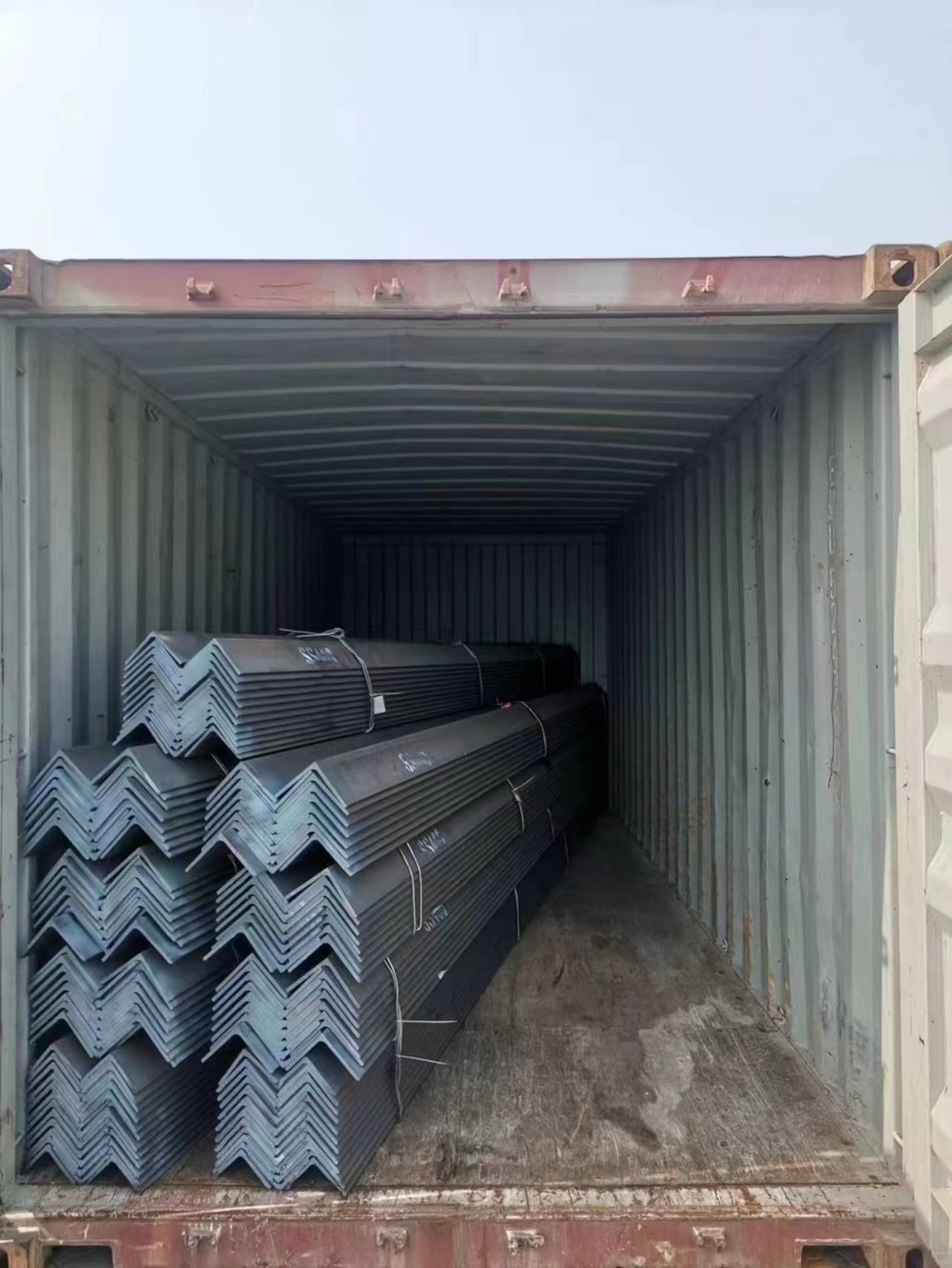
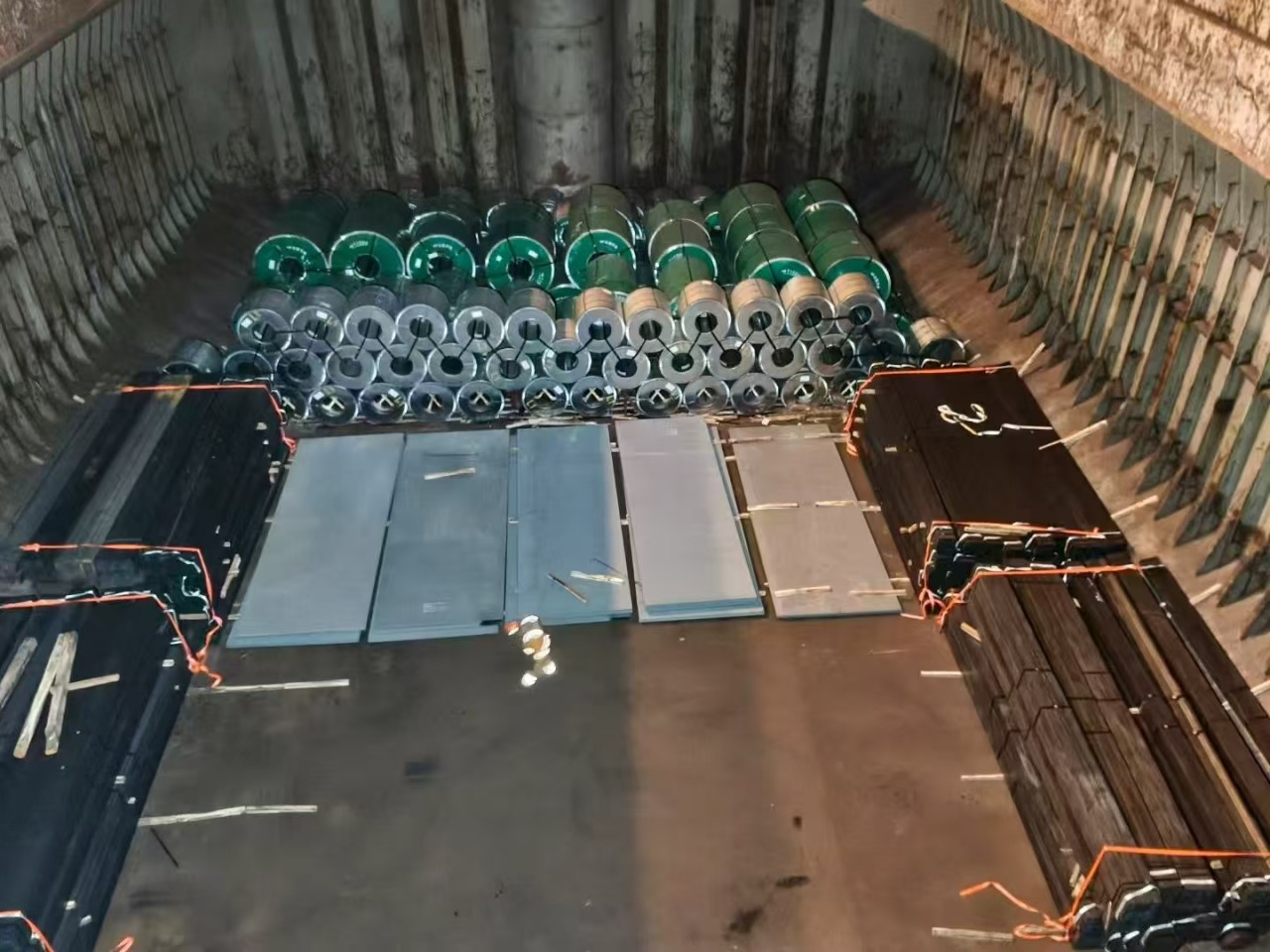
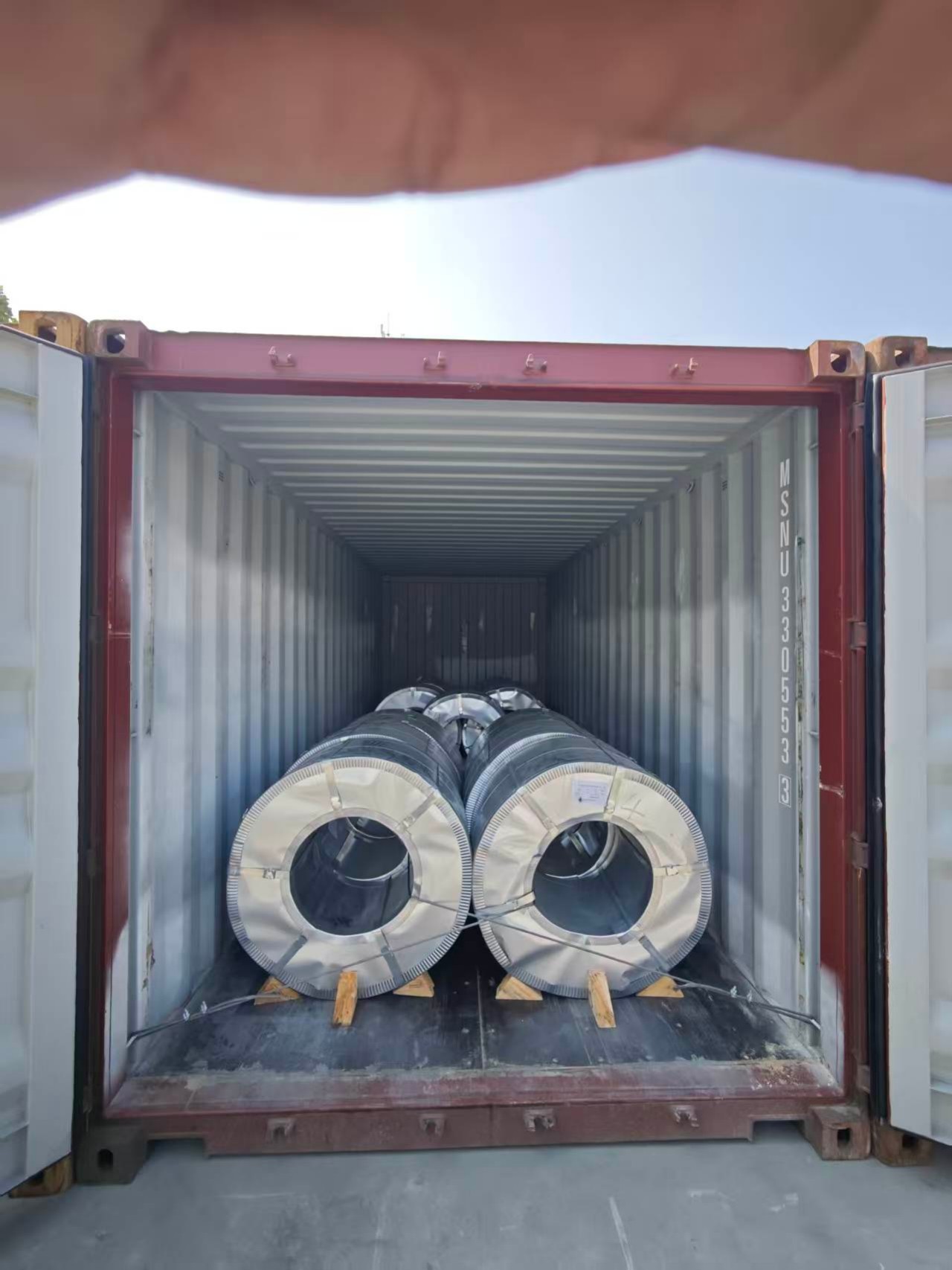
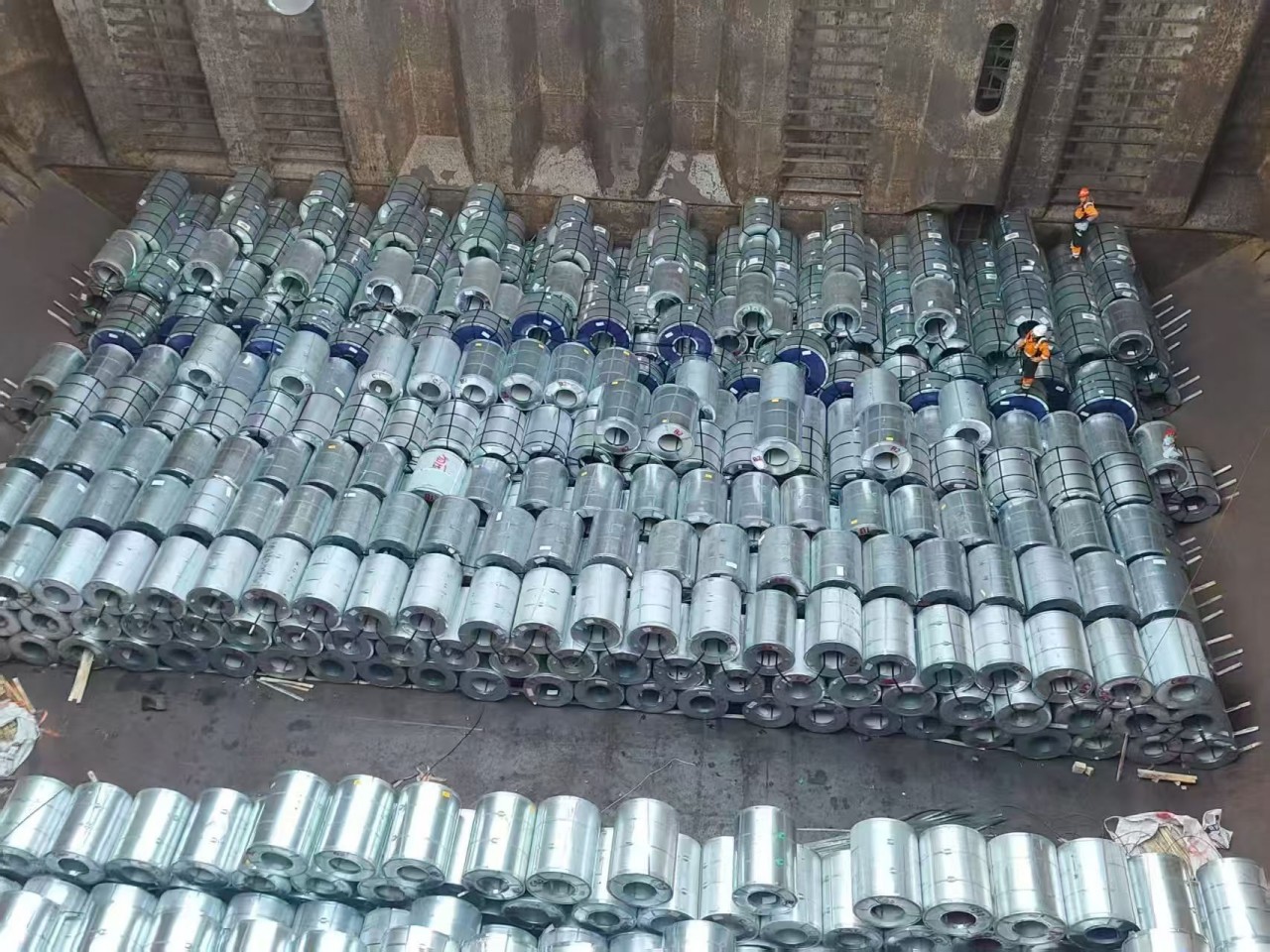
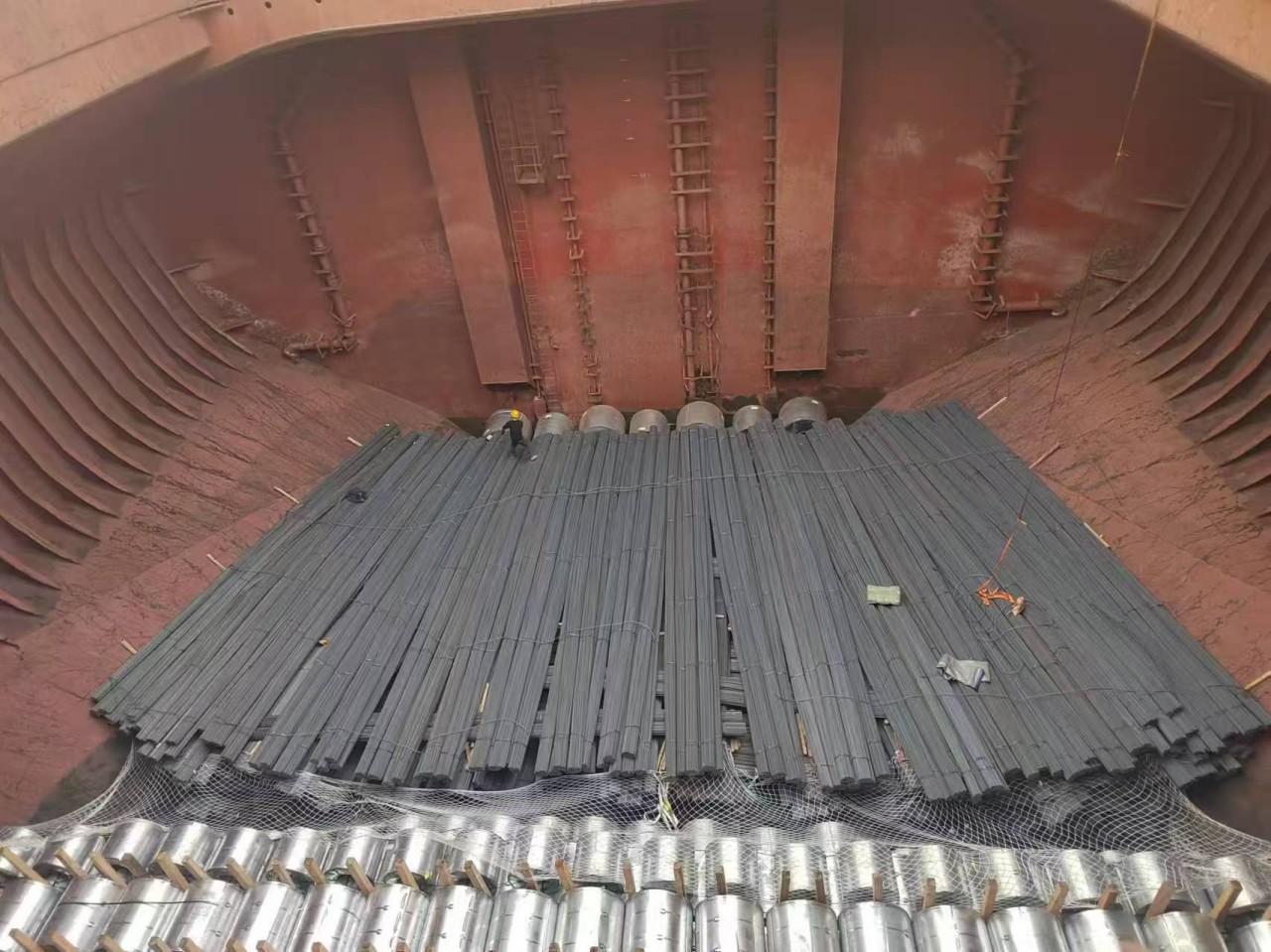
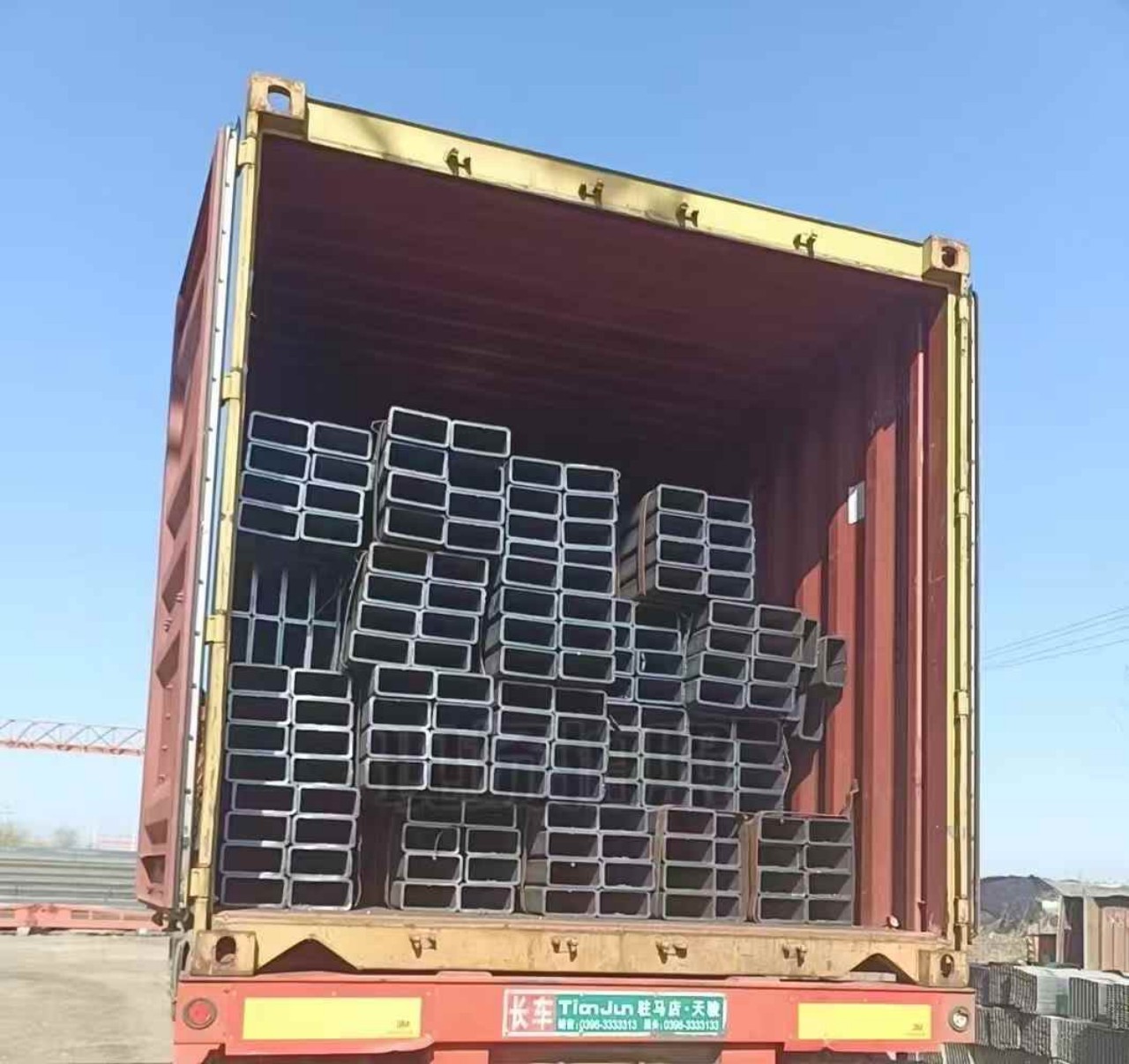
more than just a product supplier; we are your trusted industry partner
We are committed to providing one-stop steel material solutions for domestic and international customers, meeting the needs of different industries for high-performance materials.
Personalise
We are manufacturer,We are able to satisfy customers’ individuation.
High-Quality Steel Products
We supply high-quality steel coils, plates, pipes, sections, and long steel products for diverse construction, manufacturing, and industrial applications.
Provide Excellent Service
we have established long-term and win-win partnership with many large steel manufacturers
Request a Free Estimate
Need to know how much your cost?
Trusted by Partners Worldwide
We are proud to build long-term relationships with customers and partners across global markets. Through reliable quality, stable supply, and responsive service, Songchen Steel supports projects and businesses in a wide range of industries.
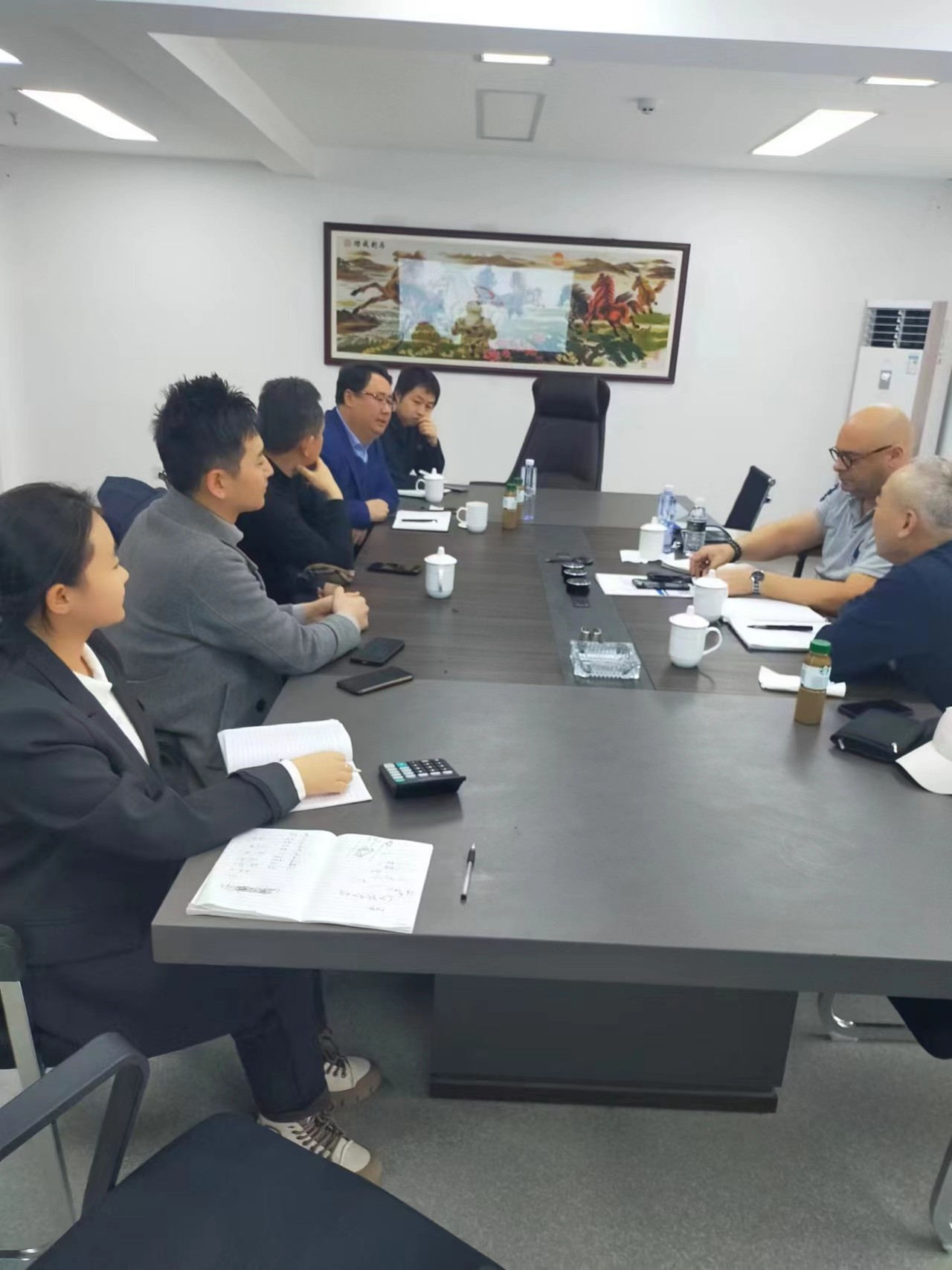
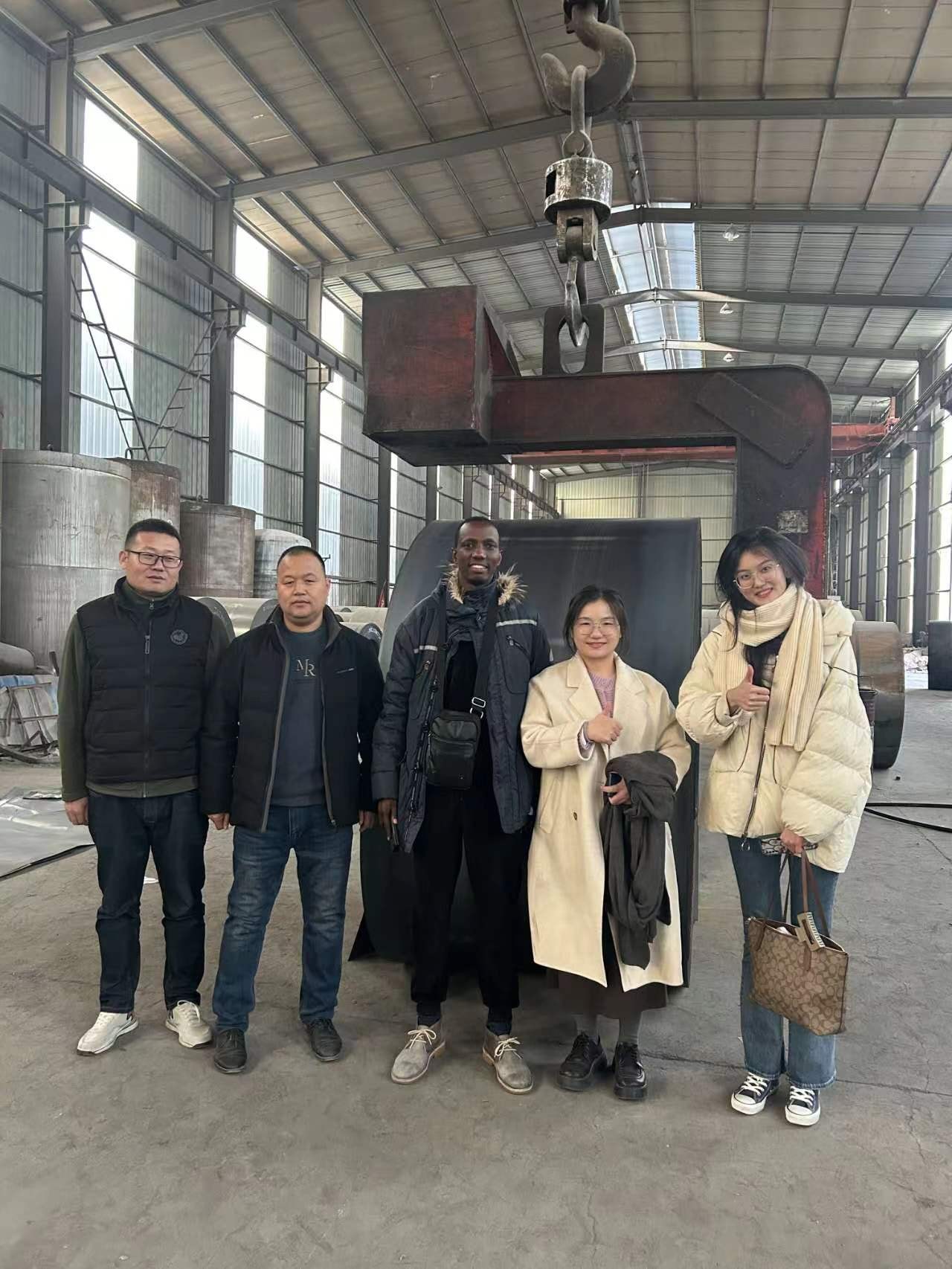
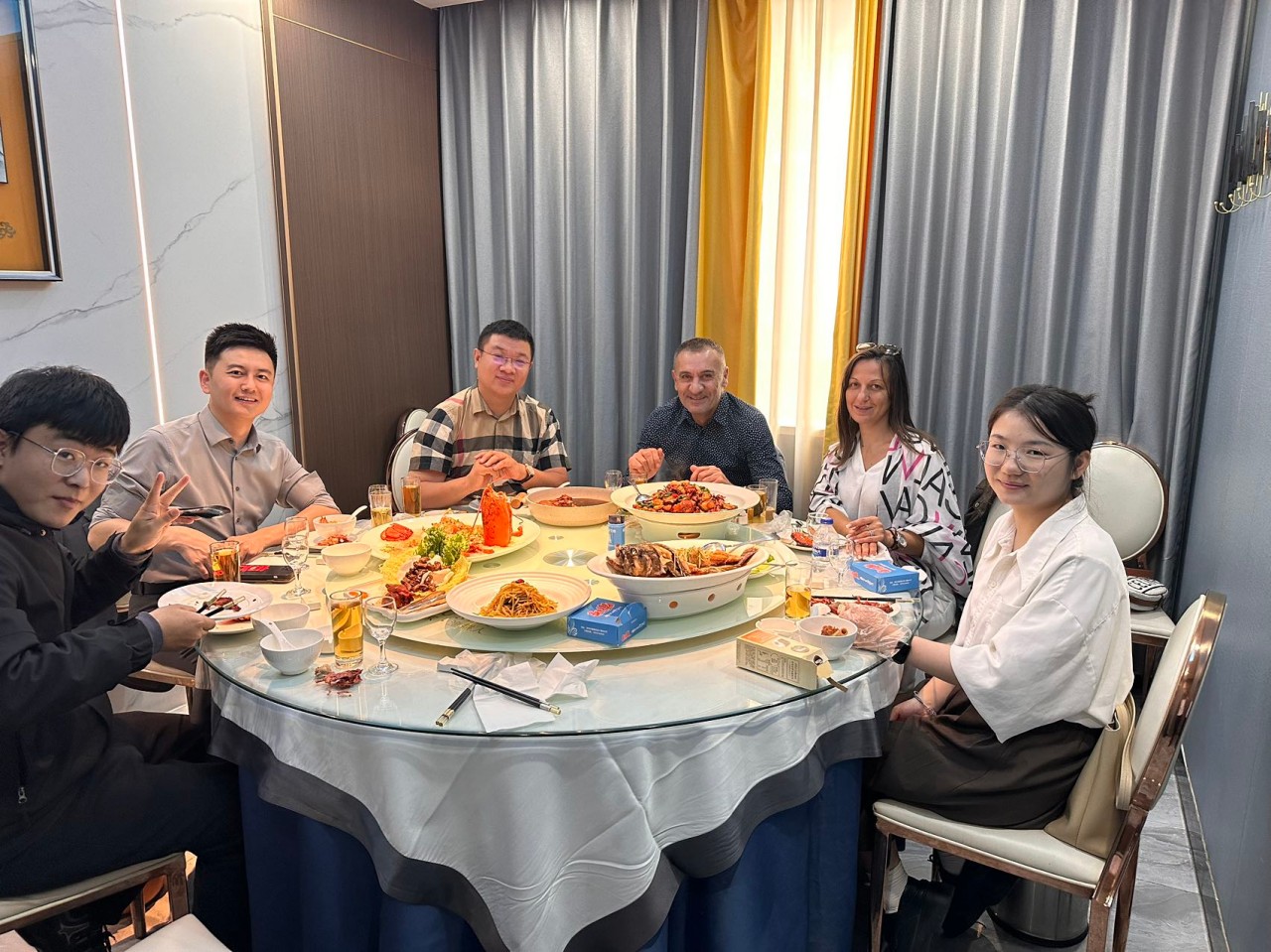
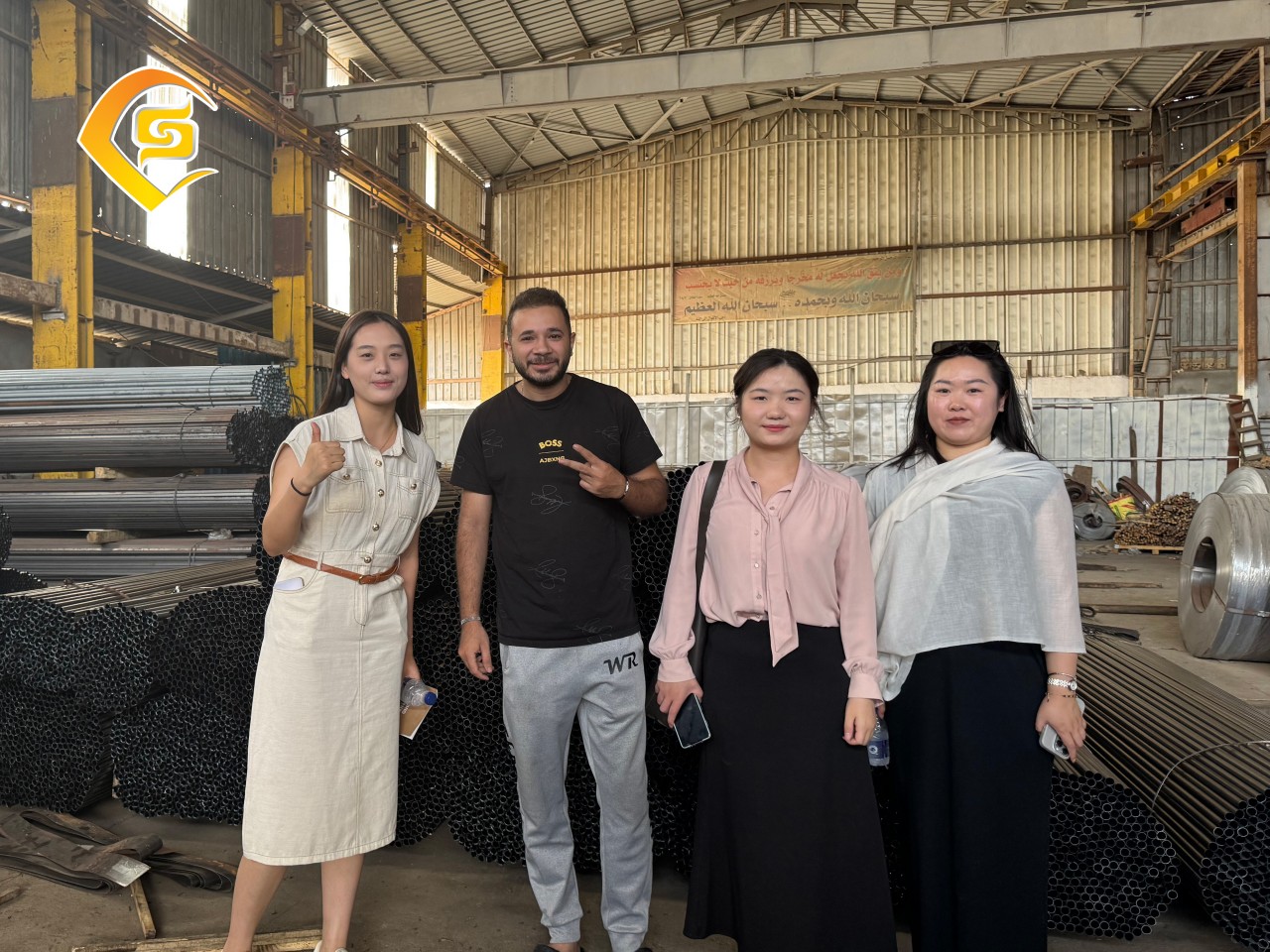
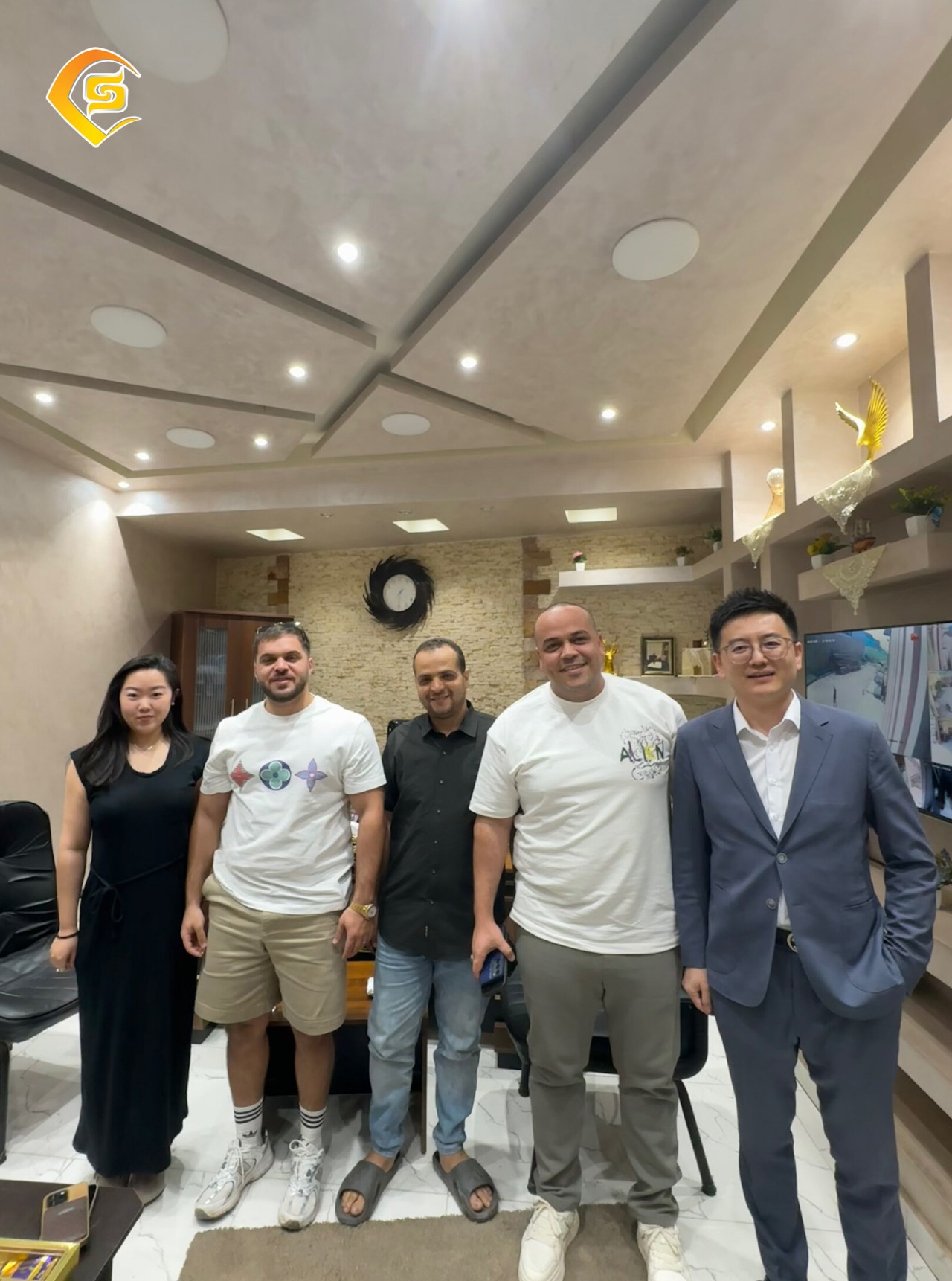

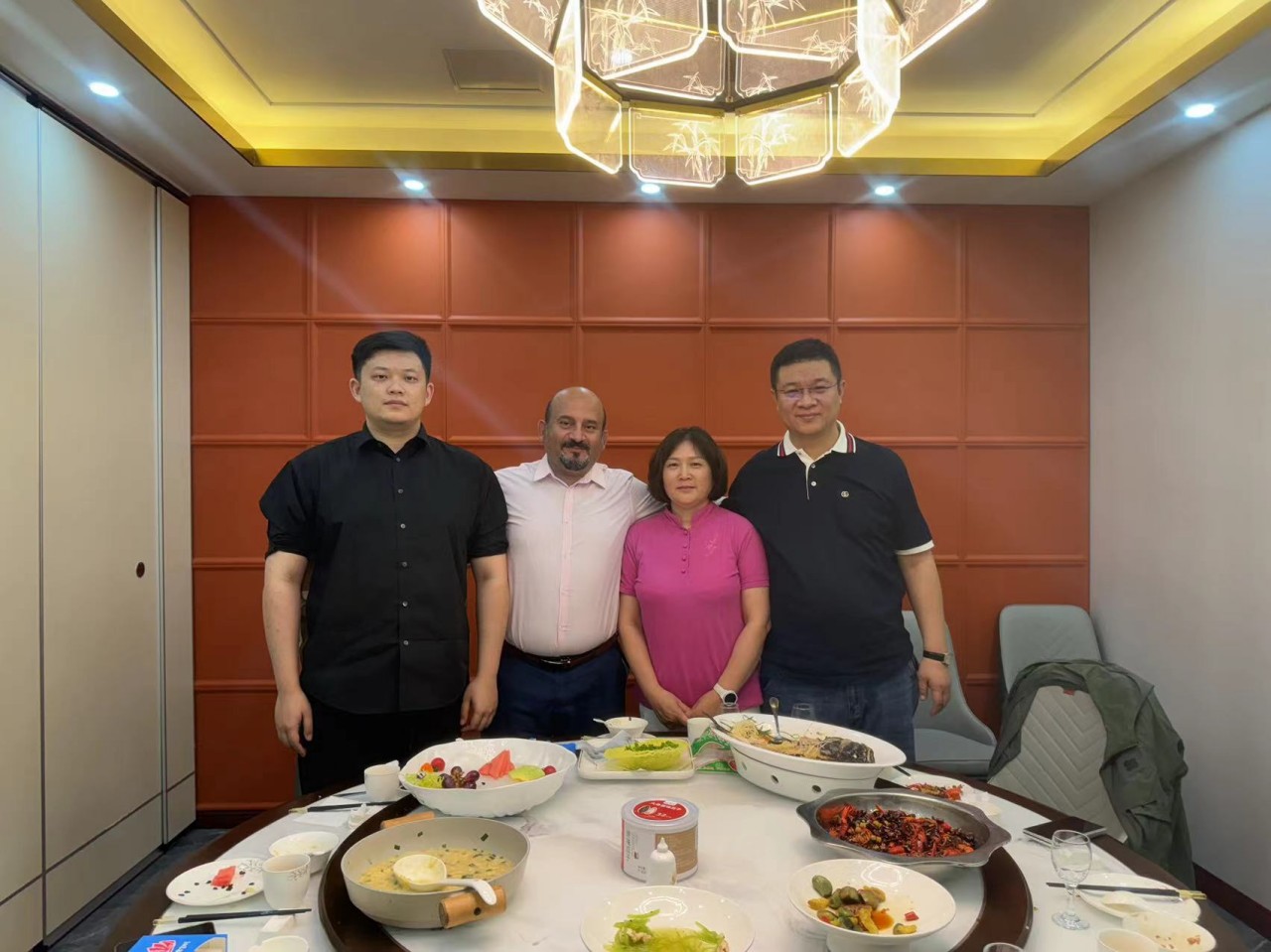
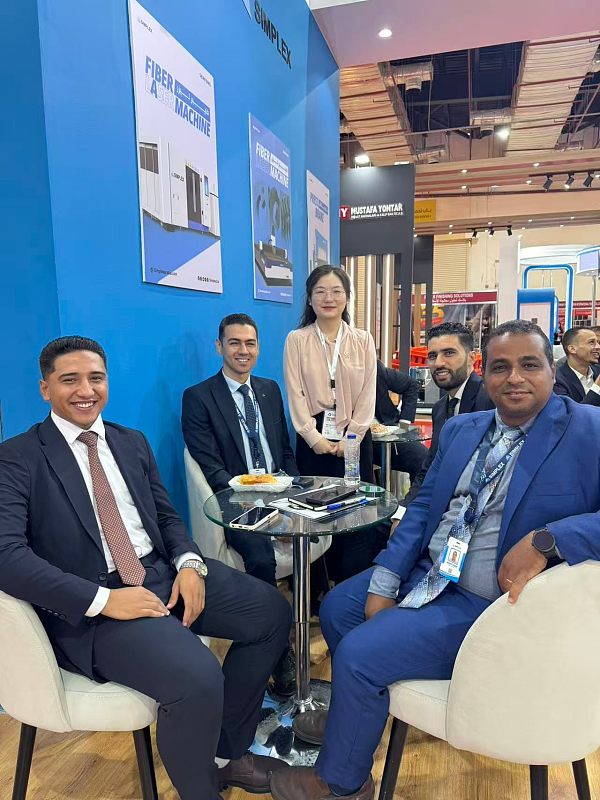
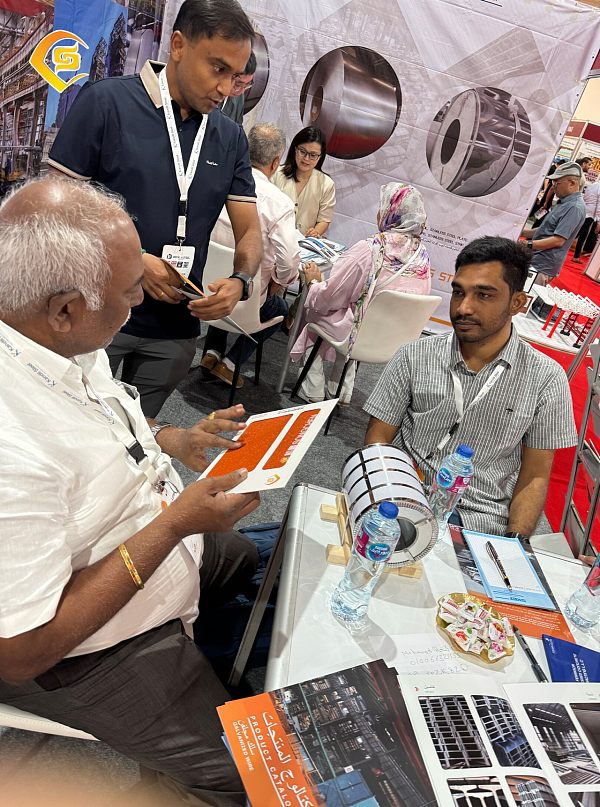
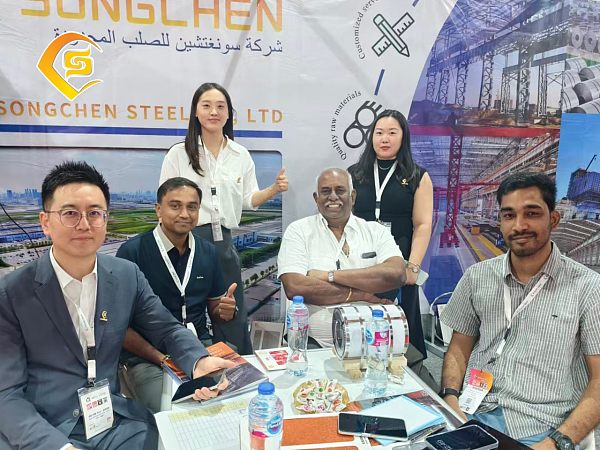
Meeting the World, Building Connections
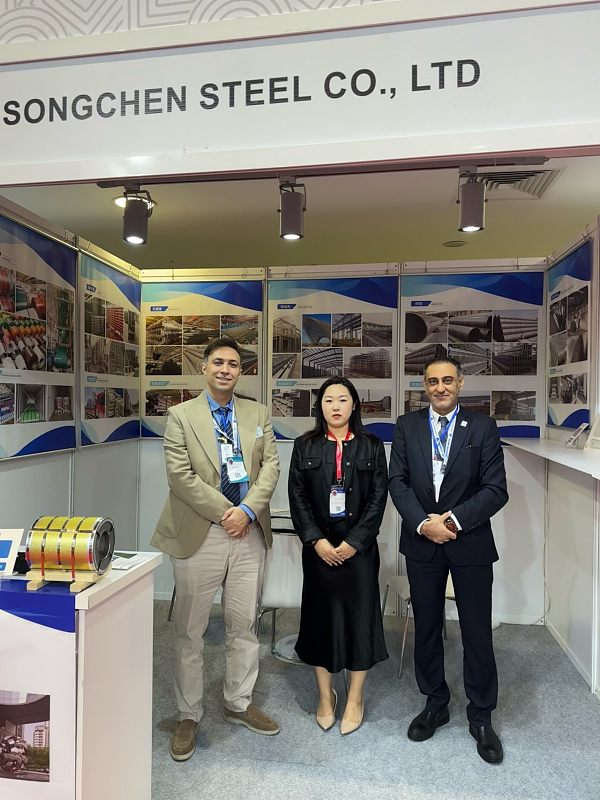
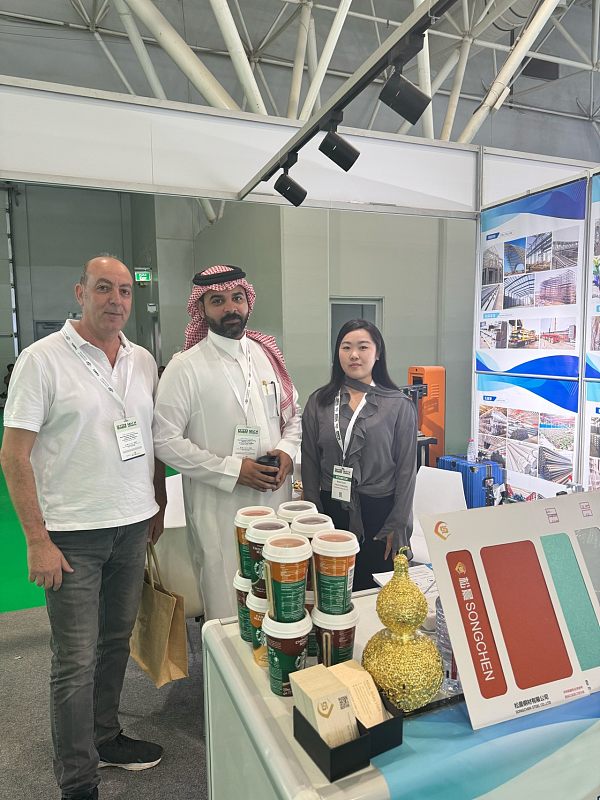
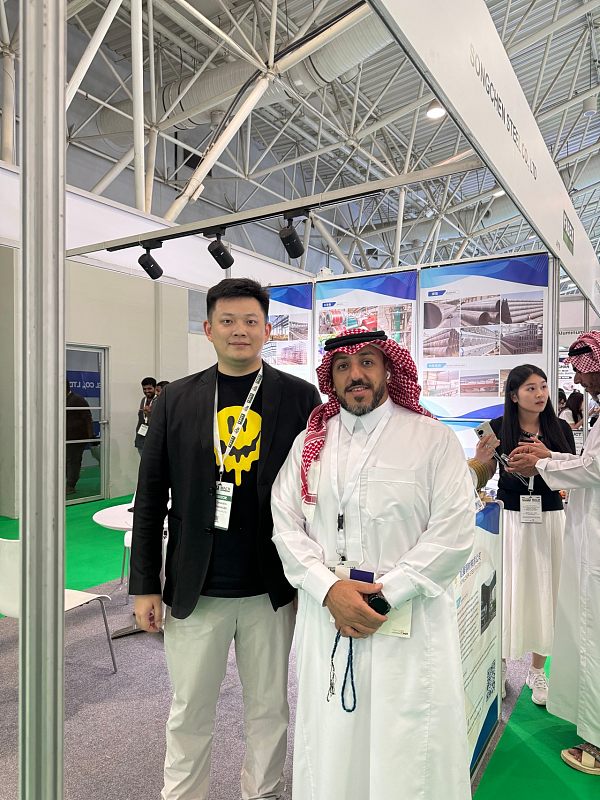
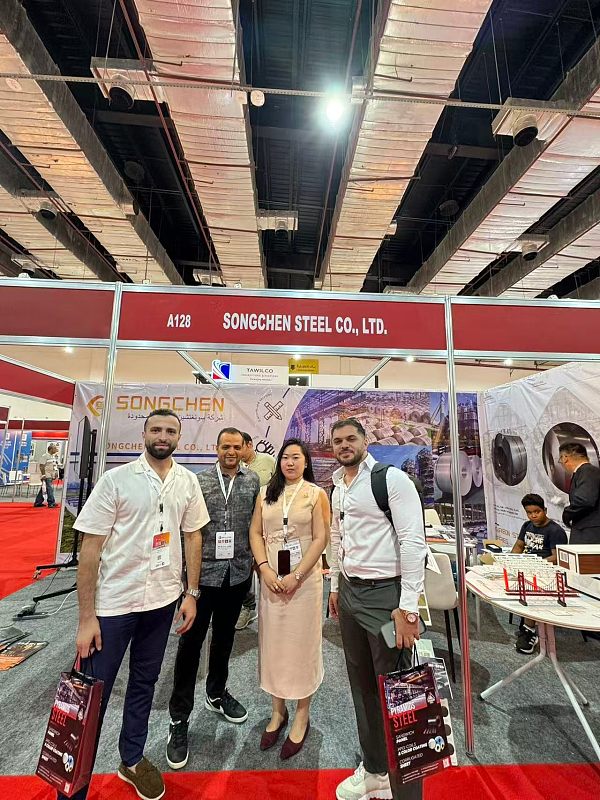
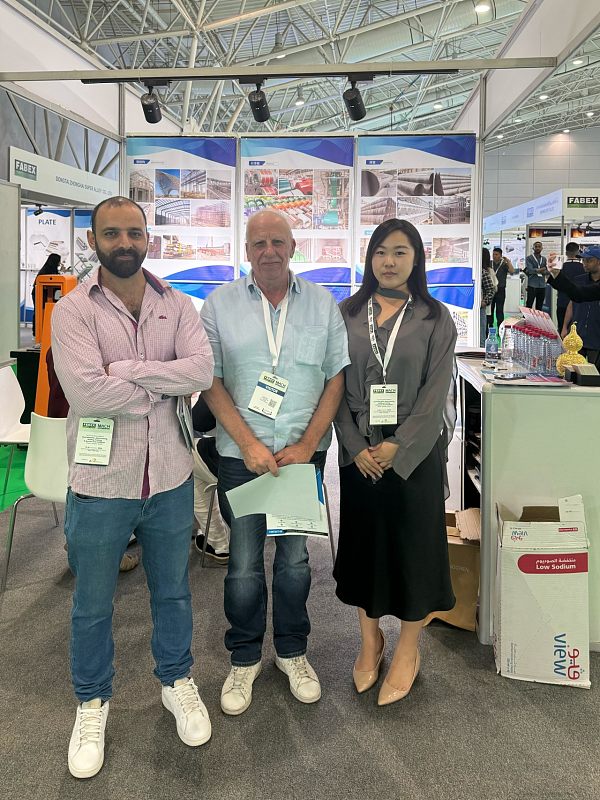
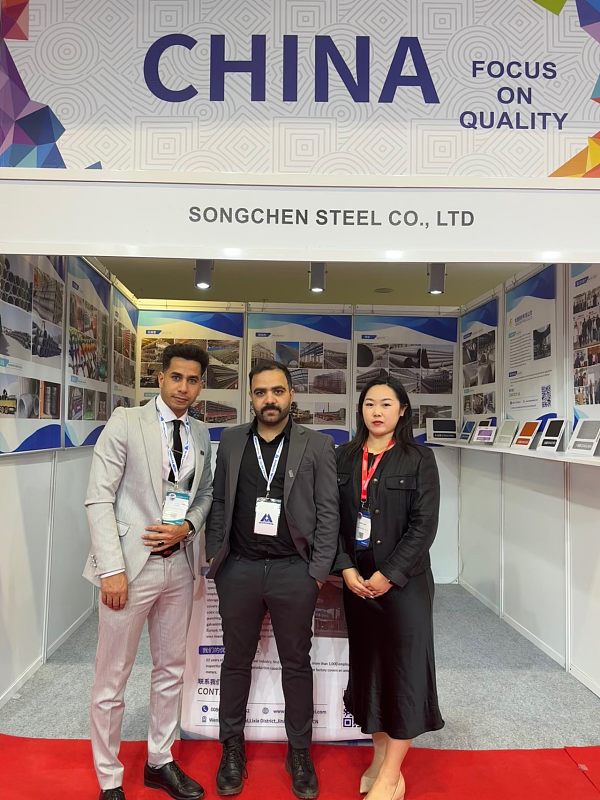
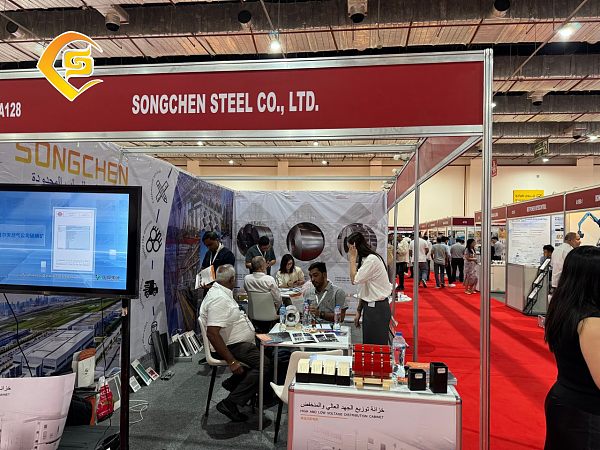
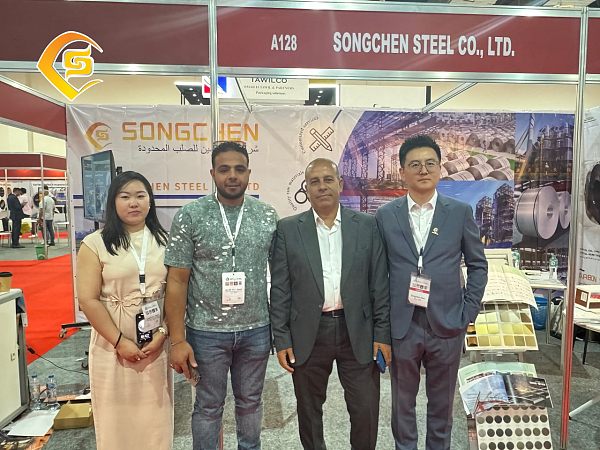
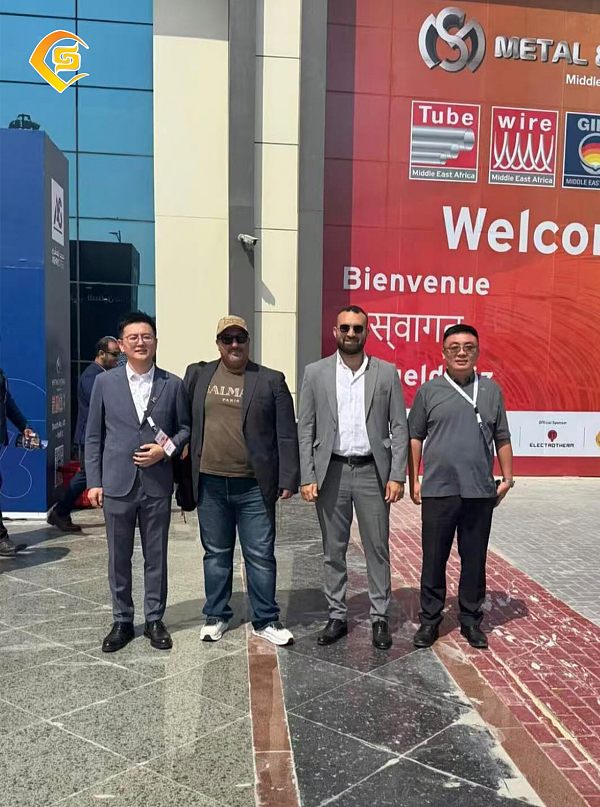
Songchen Steel actively participates in international steel and industry exhibitions to connect with customers, explore market trends, and showcase our latest products and solutions. These events strengthen our global partnerships and create new opportunities for cooperation.
Products Recommended
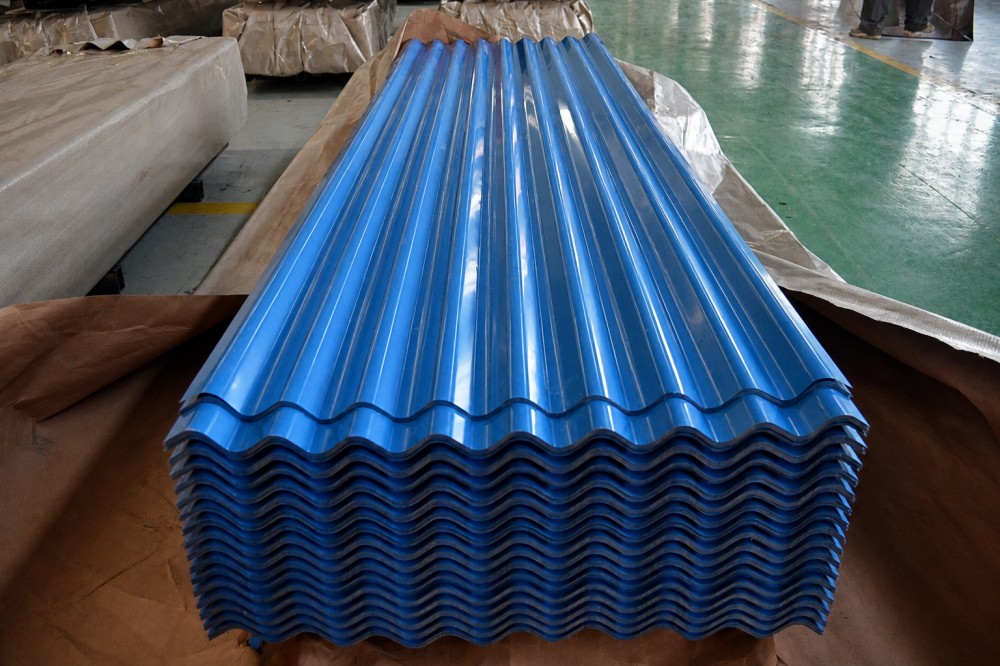
 Corrugated Roofing SheetColor Coated Galvalume Roof Sheet PPGL Description
The coating was aluminized zinc steel made of 55% aluminum, 43.3% zinc and 1.6% silicon. Aluminum forms a honeycomb layer around the zinc, which can protect the metal from further attack. This means that PPGL will be more durable. According to the data, the service life of PPGL roof panels under normal circumstances is more than 25 years. In addition, it is beautiful and generous, with various colors, patterns and patterns, which can meet different architectural styles. More importantly, PPGL steel has excellent heat resistance, which makes it an ideal roofing material even in hot climates. Whether it is home or investment, PPGL roof panels will be a good choice. Z20-Z275 Galvanized Round pipeProduct name: Galvanized steel tube/pipe
Main standard: GB,JIS,DIN,AISI,ASTM
Length: AS customer's required
Surface: Mild steel plain finish, hot dip galvanized, pre galvanized, color coated, ect.
Diameter: 0.2-2000mm As customer's required
Shipment time: Stock or within 7-20 workdays according to quantity,after receiving deposit or L/C
Price term: T/T,L/C,Western Union,Paypal,Apple Pay,Google Pay,D/A,D/P,MoneyGram
Weight Calculation: Weight(kg)=Thickness(mm)*Width(m)*Length(m)*Density(7.85g/cm3)
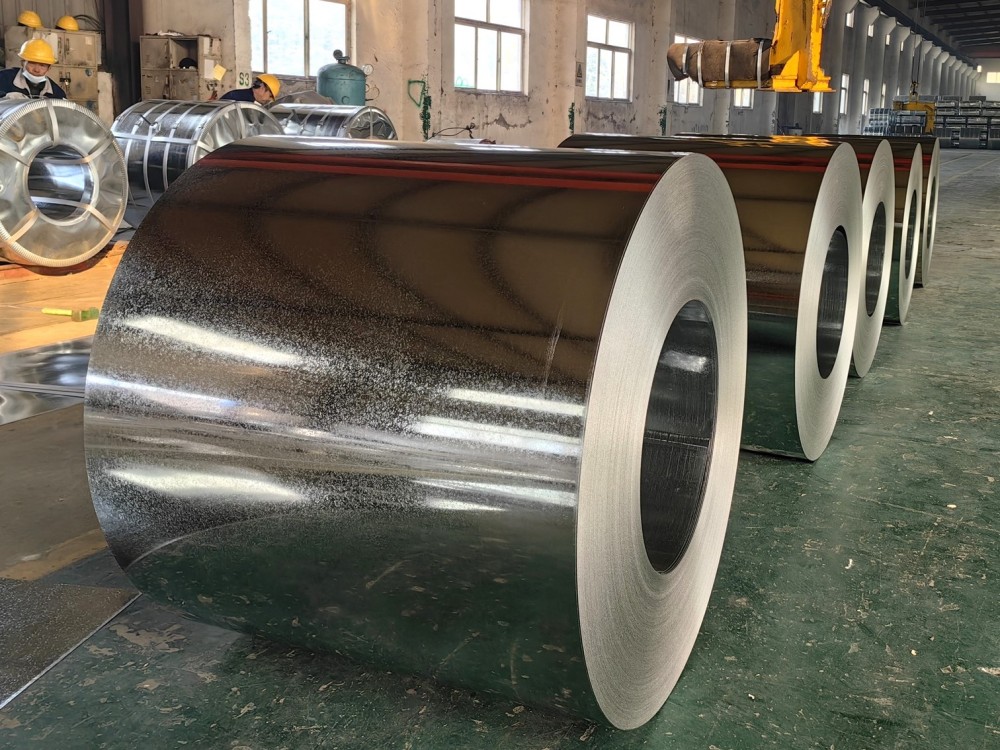
Size Tolerance: ±1%-3% Hot Dip Galvalume Steel CoilGalvalume coil is a kind of aluminum-plated zinc alloy treatment method to form a coil with high strength, excellent corrosion resistance and beautiful appearance on the surface of steel, with high corrosion resistance and air pollution resistance. Galvalume coil also has good surface decoration, and can be processed into a variety of beautiful building and home appliance materials.
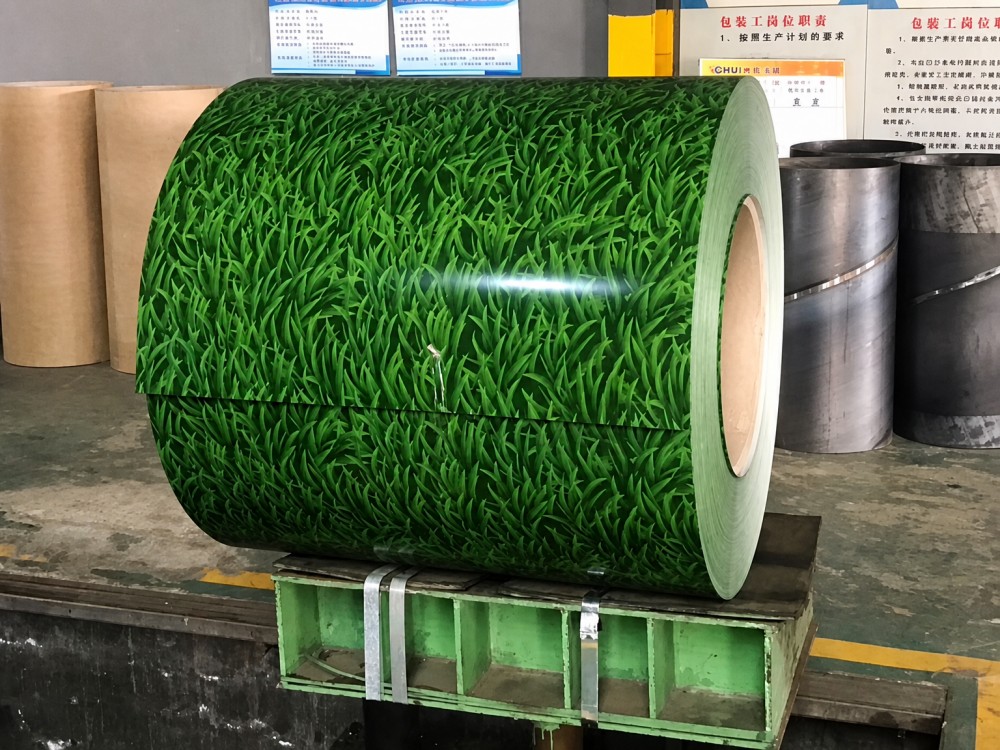
 Pattern CoilColor coated is in the continuous unit to cold rolled strip steel, galvanized strip steel (electric galvanized and hot galvanized) as the base plate, after surface pretreatment (degreasing and chemical treatment), with the method of roller coating, coated with a layer or multiple layers of liquid coating, after baking and cooling plate. The coated steel plate has light weight, beautiful appearance and good anti-corrosion performance, and can be directly processed, it provides a new raw material for the construction industry, shipbuilding industry, vehicle manufacturing industry, furniture industry, electrical industry and so on. It has played a good effect of replacing wood with steel, efficient construction, energy saving and pollution prevention.
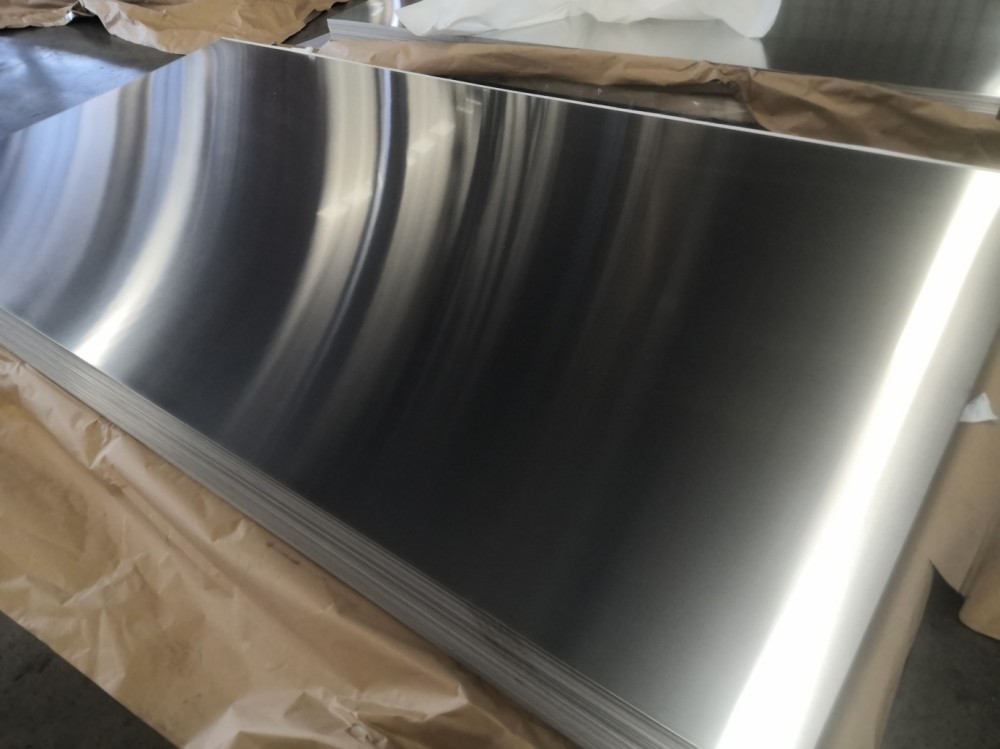
 316/316L Stainless Steel Platestainless steel plate is one of the most popular steel plates across the globe for a mix of its favorable characteristics. stainless steel is mainly composed of iron, chromium and nickel. This combination leads to outstanding oxidation resistance and corrosion resistance of stainless steel plates. The stainless steel plate has a smooth surface, high plasticity, toughness and mechanical strength, and is resistant to corrosion by acids, alkaline gases, solutions and other media. Due to its good versatility and relatively low cost, stainless steel plate is widely used in food processing equipment, building materials, automobile parts and other fields.
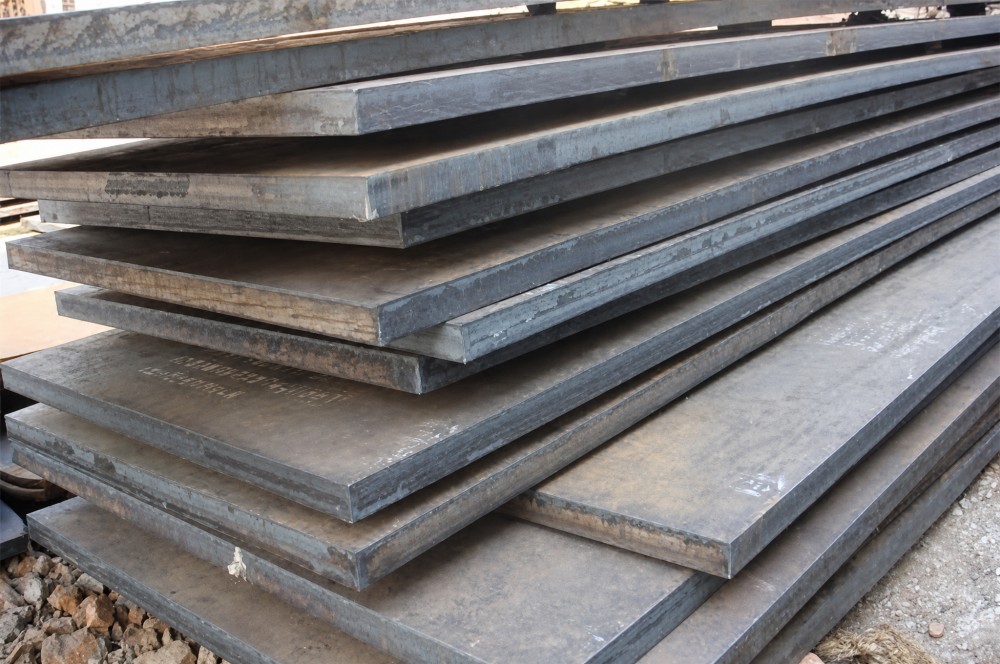
") Product Detail Page: Marine & Shipbuilding Steel Plate (Certified by CCS / ABS / BV)Certified Shipbuilding Steel Plate | CCS / ABS / BV Grade A/B/AH36/DH36/EH36 | Marine Hull Structural Hot Rolled Steel Plate 4-250mm.
Product Detail Page: Marine & Shipbuilding Steel Plate (Certified by CCS / ABS / BV)Certified Shipbuilding Steel Plate | CCS / ABS / BV Grade A/B/AH36/DH36/EH36 | Marine Hull Structural Hot Rolled Steel Plate 4-250mm.
Ships carry a diverse range of missions — from deep-sea exploration and global logistics to passenger transport and offshore engineering. At the core of every vessel's structural integrity lies one fundamental material: the Shipbuilding Steel Plate. 316 Stainless Steel I-BeamStainless steel I-beams are made of 201(1Cr17Ni5Mn6N), 202(2 Cr13Mn9Ni4), 301(1 Cr17Ni7), 303(Y1Cr18Ni9), 304(OCr18Ni9), 304L (03 Cr19Ni10), 316(0 Cr17Ni12Mo2), 316L(00 Cr17Ni14Mo2), 321 (1 Cr18Ni9Ti), 420( 2cr13), 310S(0 Cr25Ni20), etc. The chemical composition of stainless steel I-beams belongs to general structural rolled steel series, the main test indexes were C, Mn, P and S. According to different grades, the content varies, the approximate range is C<0.08%, Mn: 2.0, P<0.035%, S<0.03%. Materials are widely used in hardware products, medical
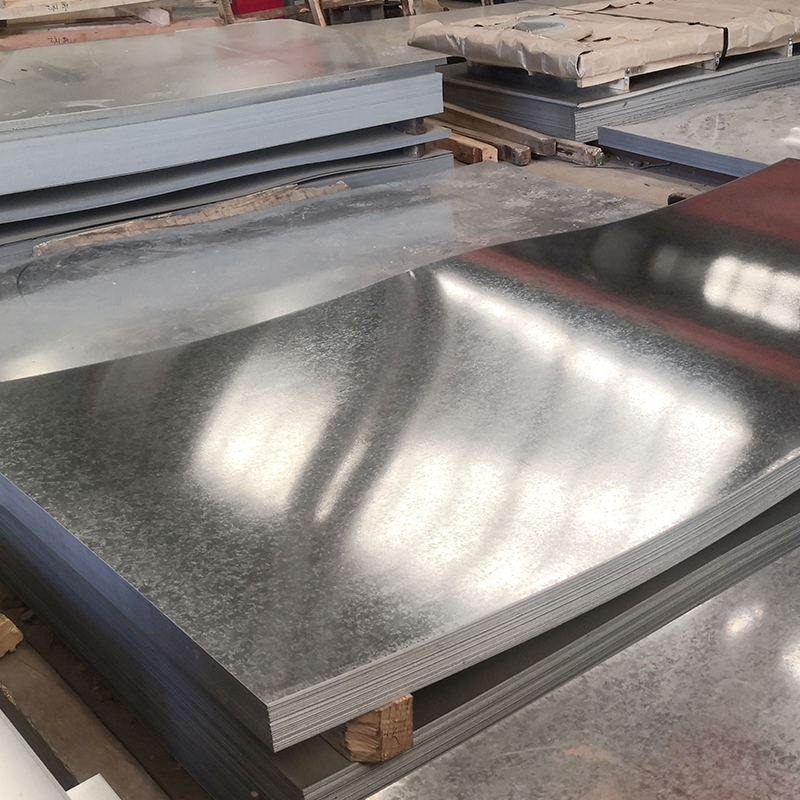
 G60 Galvanized Steel PlateHot-dip galvanized steel sheet. The thin steel sheet is immersed in a molten zinc tank to make a layer of zinc thin steel sheet adhered to its surface. It is mainly produced by continuous galvanizing process, that is, the rolled steel sheet is continuously immersed in a plating tank with molten zinc to make a galvanized steel sheet;
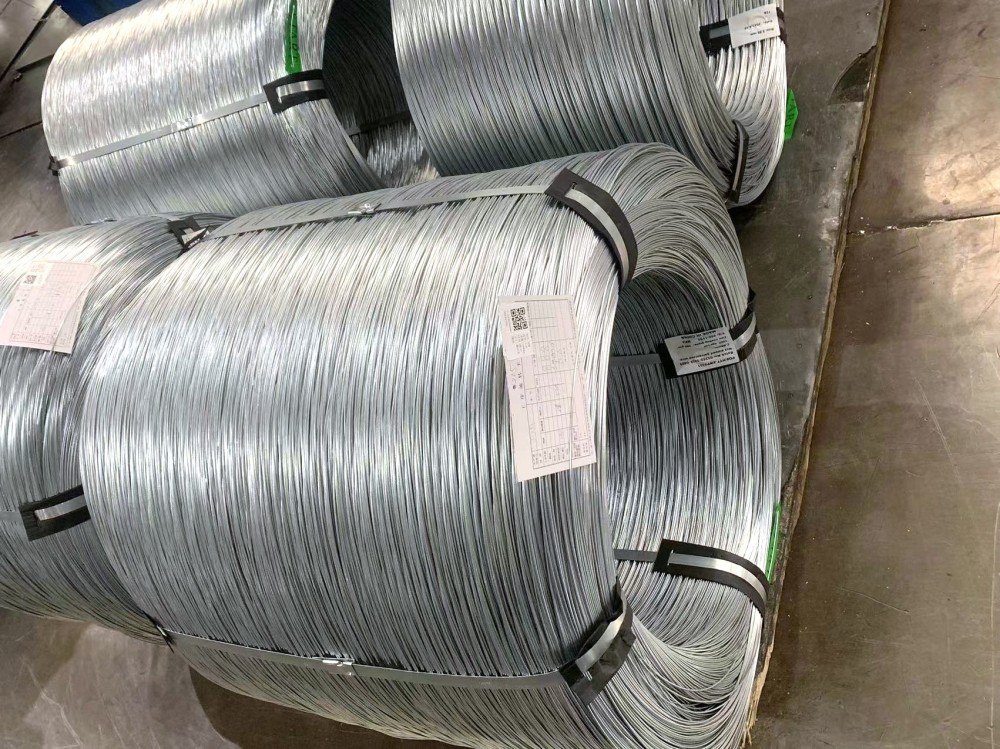
Electro-galvanized steel sheet. This galvanized steel sheet made by electroplating has good processability. But the coating is thin and the corrosion resistance is not as good as hot-dip galvanized sheet; DX53D/SGCD2/SGCD3 Galvanlized Steel WireHot-dip galvanized iron wire is made with choice low carbon steel wire, through wire drawing, acid washing and rust removing, annealing and coiling. It's mainly used in construction, handicrafts, woven wire mesh, express way fencing mesh, packaging of products and other daily uses.
Size range: BWG 8-BWG 36
Zinc coat: 30-275 g/m2
Tensile strength: 350-550N/mm2
Elongation: 10%
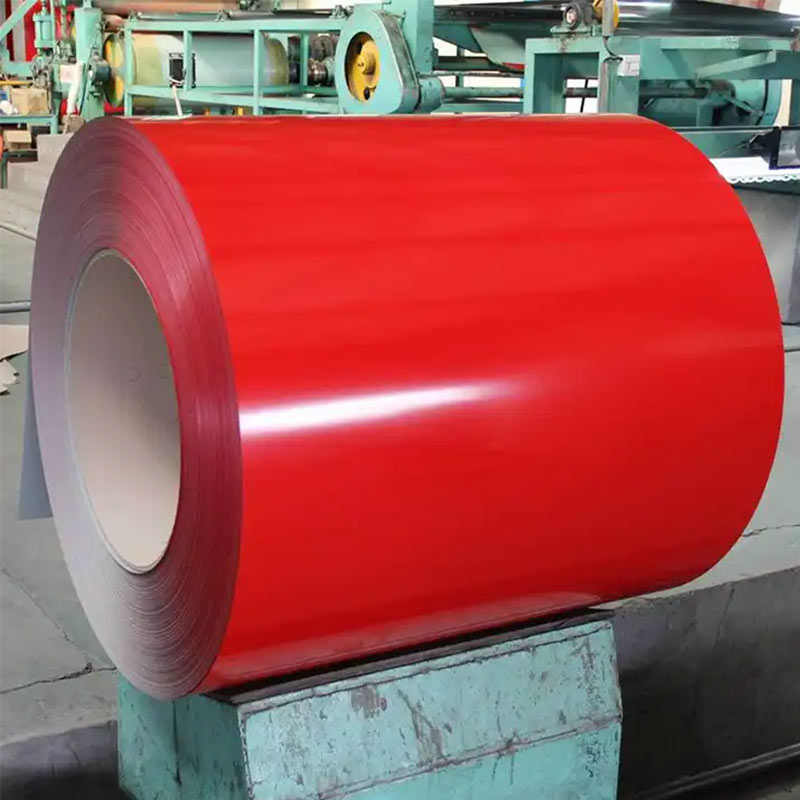
Packing: 1-500kgs/coil, coil with plastic cloth inside and hessian outside or weave outside PPGI/PPGLColor coated is in the continuous unit to cold rolled strip steel, galvanized strip steel (electric galvanized and hot galvanized) as the base plate, after surface pretreatment (degreasing and chemical treatment), with the method of roller coating, coated with a layer or multiple layers of liquid coating, after baking and cooling plate. The coated steel plate has light weight, beautiful appearance and good anti-corrosion performance, and can be directly processed, it provides a new raw material for the construction industry, shipbuilding industry, vehicle manufacturing industry, furniture industry, electrical industry and so on. It has played a good effect of replacing wood with steel, efficient construction, energy saving and pollution prevention.
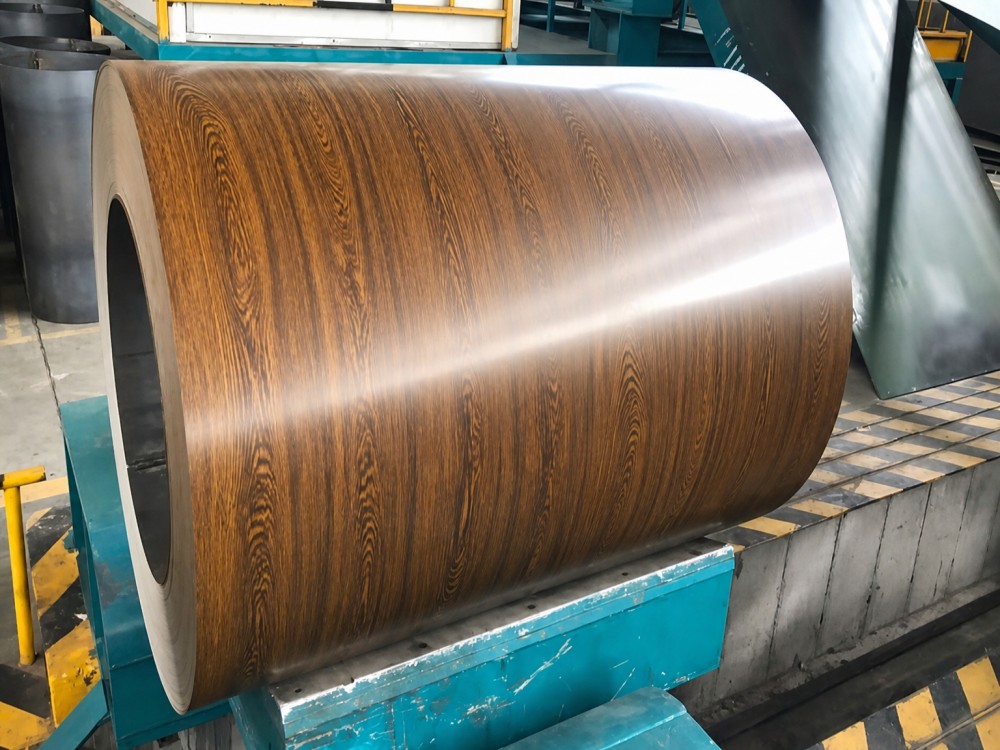
 Wood Grain CoilColor coated is in the continuous unit to cold rolled strip steel, galvanized strip steel (electric galvanized and hot galvanized) as the base plate, after surface pretreatment (degreasing and chemical treatment), with the method of roller coating, coated with a layer or multiple layers of liquid coating, after baking and cooling plate. The coated steel plate has light weight, beautiful appearance and good anti-corrosion performance, and can be directly processed, it provides a new raw material for the construction industry, shipbuilding industry, vehicle manufacturing industry, furniture industry, electrical industry and so on. It has played a good effect of replacing wood with steel, efficient construction, energy saving and pollution prevention.
 440C Stainless Steel CoilsStainless steel is a steel alloy with increased corrosion resistance compared to carbon/alloy steel.
Common alloying ingredients include chromium (usually at least 11%), nickel, or molybdenum. Alloy content often is on the order of 15-30%.
Common applications for stainless steel include food handling/processing, medical instruments, hardware, appliances, and structural/architectural uses. 904L Stainless Steel Pipe/TubeProduct Type: Round tube/pipe,square tube/pipe,rectangular tube/pipe
Material: Stainless steel,austenitic stainless steel
Grade: 201 304 304L 304H 309S 310S 316 316L 316Ti 317 317L 321 321H 347 347H 904L 2304 2205 S31803 S32750 253MA 254SMo
Standard: ASTM A312 A376 A213 A249 JIS G3459 G3463 DIN17440 GB/T14976 BG13296
Technique: Cold Drawn Hot Rolled Annealing Pickling
Feature: High temperature resistance,corrosion resistance
Quality Control: Mill Test Report will be provided with the goods,any inspection from third party acceptable
Used: Widely used in chemical industry,machinery,electronics,electric power,textile,rubber,food,medical-equipment,aviation,aerospace,communications, petroleum and other industrial field. 410 Stainless Steel Bar/RodStainless steel is a steel alloy with increased corrosion resistance compared to carbon/alloy steel.
Common alloying ingredients include chromium (usually at least 11%), nickel, or molybdenum. Alloy content often is on the order of 15-30%.
Common applications for stainless steel include food handling/processing, medical instruments, hardware, appliances, and structural/architectural uses. A106 Carbon Steel PipeProduct Name : Carbon Steel Pipe
Material: A53 Gr.B,A36,ST52,ST35,ST42,ST45,X42,X46,X52,X60,X65X70
Standard: API 5L,ASTM A106 Gr.B,ASTM A53 Gr.B,ASTM A179/A192,ASTM A513,ASTM A671,ASTM A672,BS EN 10217,BS EN10296,BS EN 39,BS6323,DIN, EN10217
Certificates :API 5L,ISO9001,SGS,BV,CCIC
Outer Diameter :15mm-1200mm
Length :1m,4m,6m,8m,12m according to buyer's request
Surface Treatment :black paint,varnish,oil,galvanized,anti-corrosion coated
Marking: Standard marking,or according to your request.Marking Method:Spray white paint
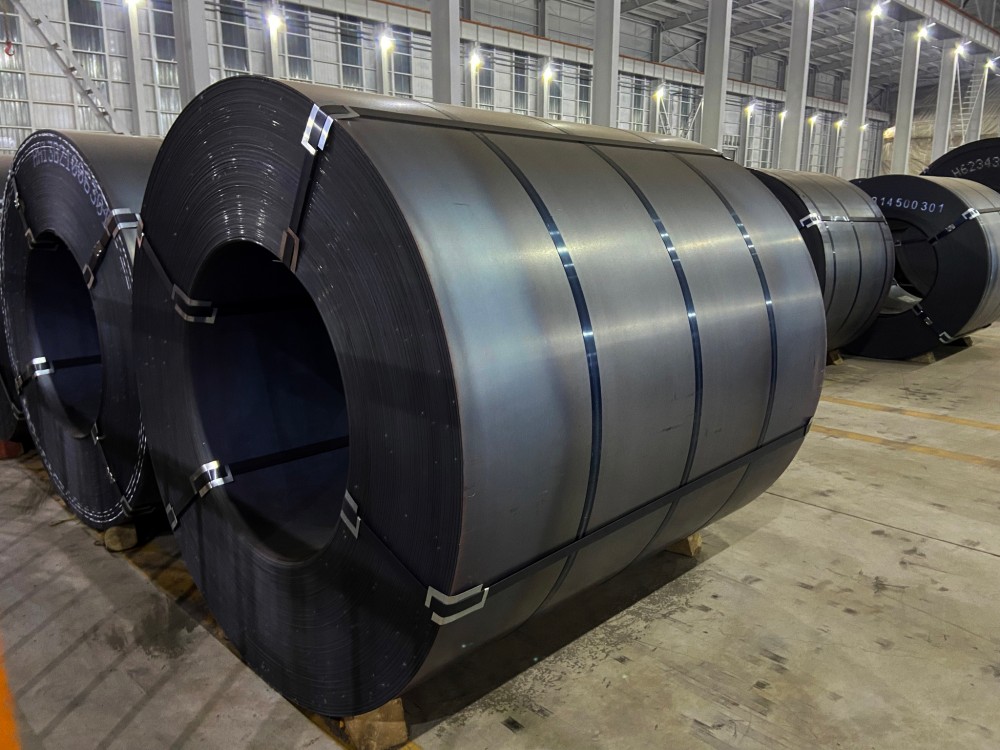
End Treatment: Plain End/Bevelled End/Grooved End/Threaded End With Plastic Caps Hot-rolled steel coilHot-rolled steel coil products have excellent properties such as high strength, good toughness, easy processing and good weldability, and are widely used in manufacturing industries such as steel, construction, machinery, boilers, and pressure vessels.
 A36/Q235/S235JR U-type Steel Sheet PileSteel sheet piles are long structural sections with a vertical interlocking system that create a continuous wall. The walls are often used to retain either soil or water. The ability of a sheet pile section to perform is dependent upon its geometry and the soils it is driven into. The pile transfers pressure from the high side of the wall to the soil in front of the wall.
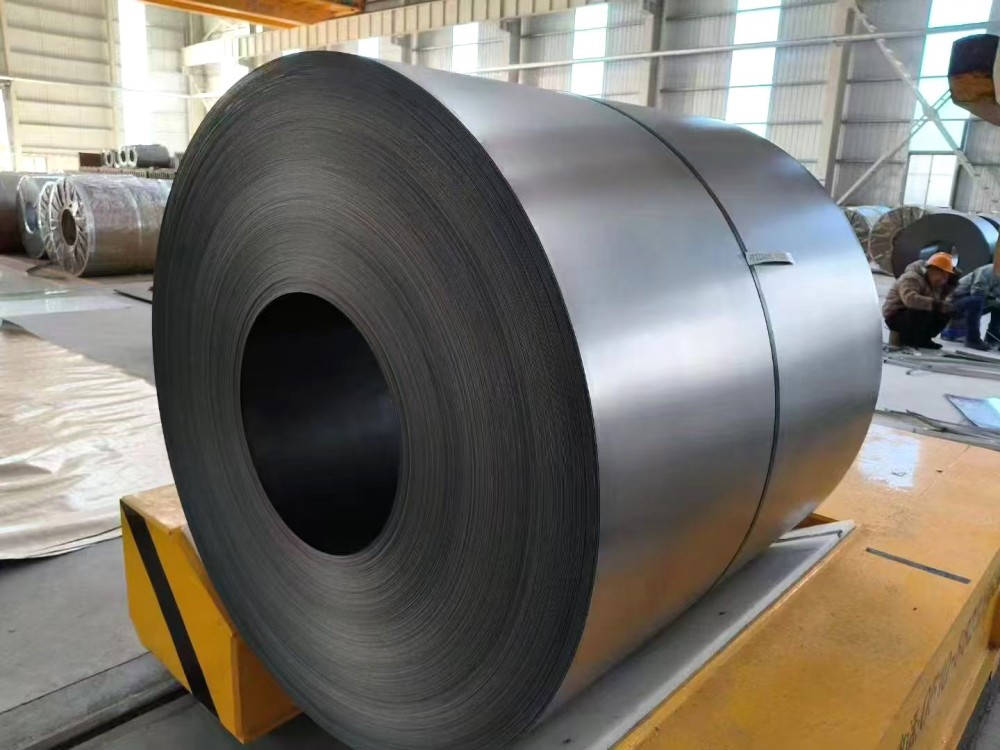
 Cold rolled steel coilsCold rolled steel coils are often used in the steel industry and are different from hot rolled coils. It refers to a steel strip that is directly rolled into a certain thickness with a roll at room temperature and rolled into a whole roll with a winder. Compared with hot-rolled coils, cold-rolled coils have a brighter surface and higher finish, but generate more internal stress, and are often annealed after cold-rolling.
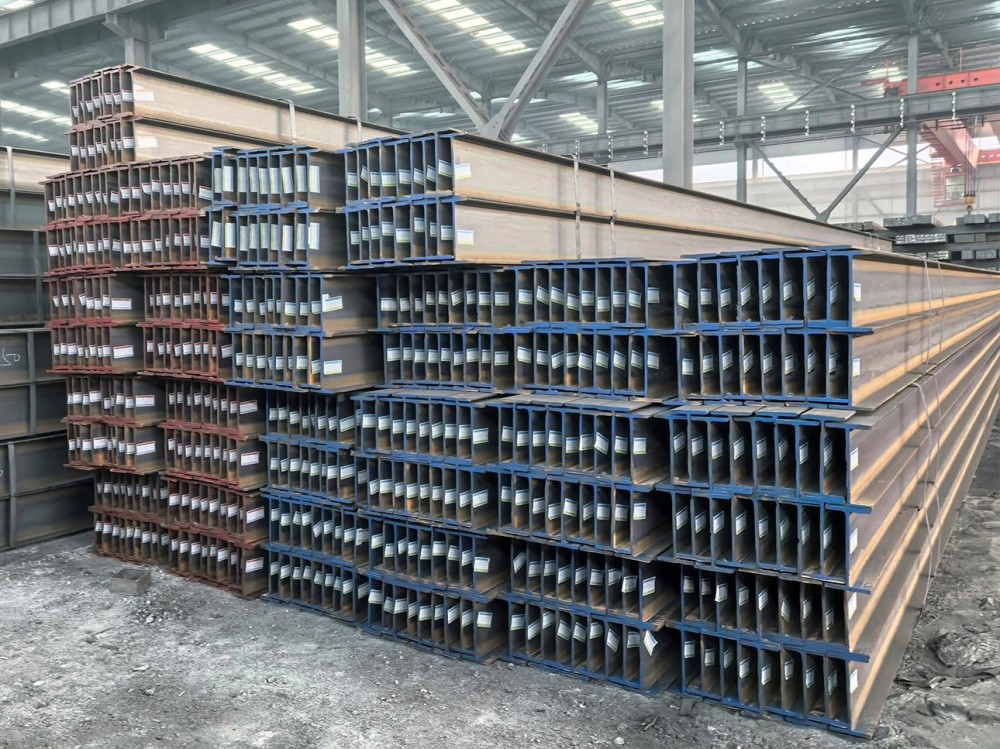
 Galvanized H Steel
 Galvanized Angle Steel
Get real-time quotes
Interested? Leave your contact details.